
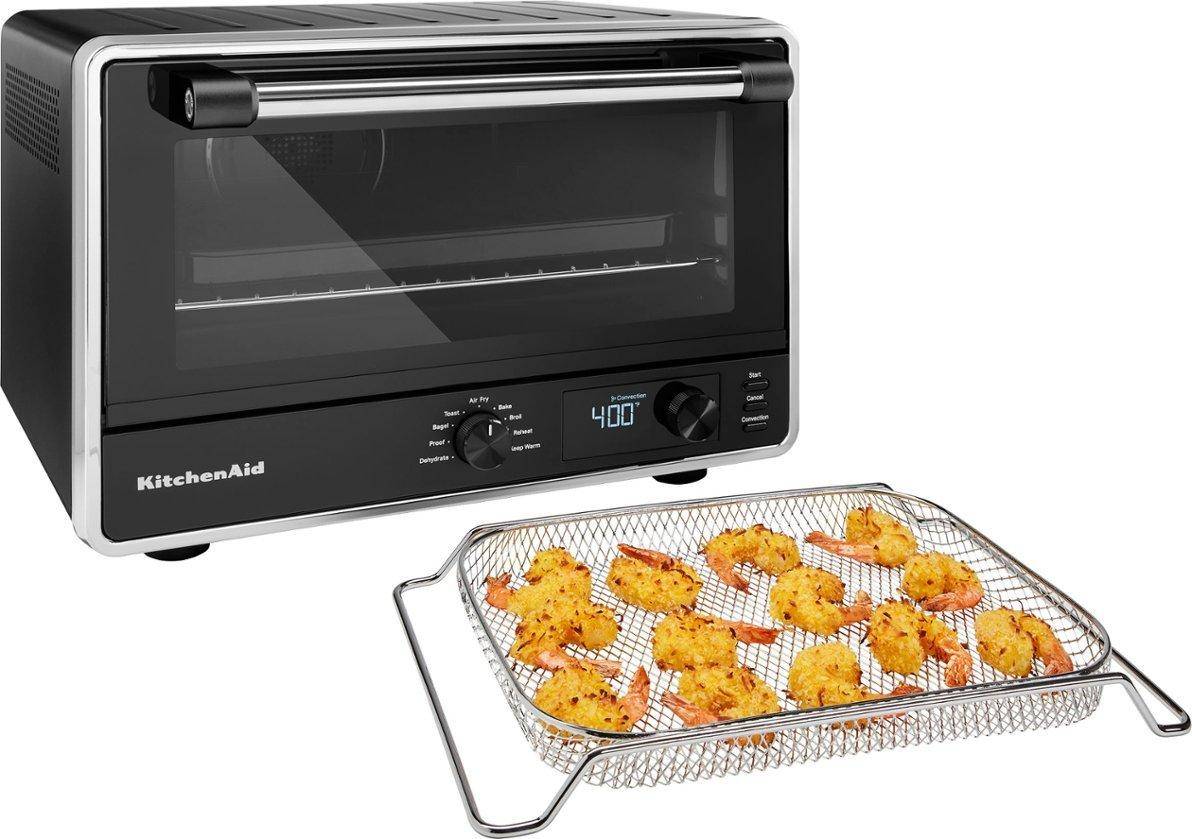


Ovens are available in several types, including conventional, convection, and microwave ovens. Conventional ovens use radiant heat, while convection ovens have fans to circulate hot air for even cooking. Microwave ovens use electromagnetic waves for quick heating. Consider your cooking style and space before choosing.
Ovens are measured by their interior capacity in cubic feet. A standard oven ranges from 3 to 5 cubic feet. For larger families or frequent entertainers, consider a larger capacity. Measure your kitchen space to ensure a good fit and check if you need a built-in or freestanding model.
Ovens are powered by either gas or electricity. Gas ovens offer instant heat control and are often cheaper to operate, while electric ovens provide even heating and are easier to maintain. Your choice depends on existing kitchen utilities and personal preference for cooking performance.
Ovens with convection features use fans to circulate hot air around the food. This results in faster cooking times and more even browning compared to conventional ovens. If you bake frequently or enjoy roasting meats with crispy skin, a convection oven could be beneficial.
Ovens with self-cleaning functions use high heat to burn off spills and splatters, reducing manual cleaning effort. This feature can save time and hassle if you cook often but may increase the initial cost of the oven. Consider how much you value convenience versus budget when deciding.
Ovens should have safety features like cool-touch doors, automatic shut-off, and child locks. These prevent accidents and ensure safe usage in homes with children or pets. Check user reviews for reliability of these features before purchasing an oven that meets your safety needs.
Ovens: 3 things to consider before buying
Before purchasing an oven, think about the available space in your kitchen. Measure the area where you plan to install it and ensure that there’s enough room for ventilation. Standard oven sizes typically range from 24″ to 30″ wide, but if you have a large family or love hosting gatherings, a double oven might be more suitable. Remember that larger ovens require more energy, so balance your needs with energy efficiency.
Ovens come in various types, including conventional, convection, and microwave ovens. Conventional ovens are great for traditional baking and roasting, while convection ovens use a fan to circulate hot air for faster and more even cooking. If you’re short on time or space, a microwave oven can be a versatile choice for quick meals. Consider your cooking habits and choose an oven type that aligns with them.
Energy efficiency is crucial not only for reducing utility bills but also for minimizing environmental impact. Look for ovens with high energy efficiency ratings, often indicated by the ENERGY STAR label. These models consume less power without compromising performance. Additionally, features like self-cleaning can increase efficiency since they often have better insulation. Investing in an energy-efficient oven can lead to significant savings over time.
Anuncio
Ovens
- Black decker toaster oven
- Hamilton beach toaster oven
- Breville smart oven
- Miele steam oven
- Miele single oven
- Mini oven
- Convection ovens
- Breville the smart oven
- Bosch built in oven
- Breville toaster oven
- Breville smart oven air fryer
- Bosch double oven
- Ninja air fry oven
- Microwave oven combination
- Air fryer toaster oven combo
- Electric ovens
- Glass toaster
- Samsung microwave convection oven
- Smart oven air fryer pro
- Countertop & toaster ovens
- Self Cleaning Ovens
- Miele Ovens
- Mini Ovens
- Bosch Ovens
- Double Ovens
- Miele Self Cleaning Ovens
- Fan Assisted Ovens
- Smeg Ovens
- Steam Ovens
- KitchenAid Ovens
- Single Ovens
- Telescopic Rails Ovens
- Whirlpool Ovens
- Whirlpool Wall Ovens
- Wall Ovens
- Ninja Ovens
- Electric - Single Ovens
- Samsung Ovens
- Electric Ovens
- Electric - Single - Wall Ovens
Una compra de $1,000 podría costar $173.53 al mes durante 6 meses con una TPA del 13.99 %. La tasa varía de 0.00 % a 35.99 % de TPA según la solvencia crediticia, la duración del plazo y está sujeta a aprobación crediticia, resultando, por ejemplo, en 3 pagos mensuales iguales de $333.33 con una TPA del 0.00 % hasta $353.52 con una TPA del 35.99 % por cada $1,000 prestados. Se puede requerir un monto mínimo de compra y un pago inicial. La estimación del pago mensual excluye posibles costos de impuestos y envío. Financiamiento mensual a través de Klarna emitida por WebBank.
Consulta los términos de pago. Es posible que se requiera un pago inicial más alto para algunos consumidores. Préstamos para residentes de CA otorgados o gestionados conforme a una licencia de la Ley de Financiamiento de California. NMLS # 1353190.