


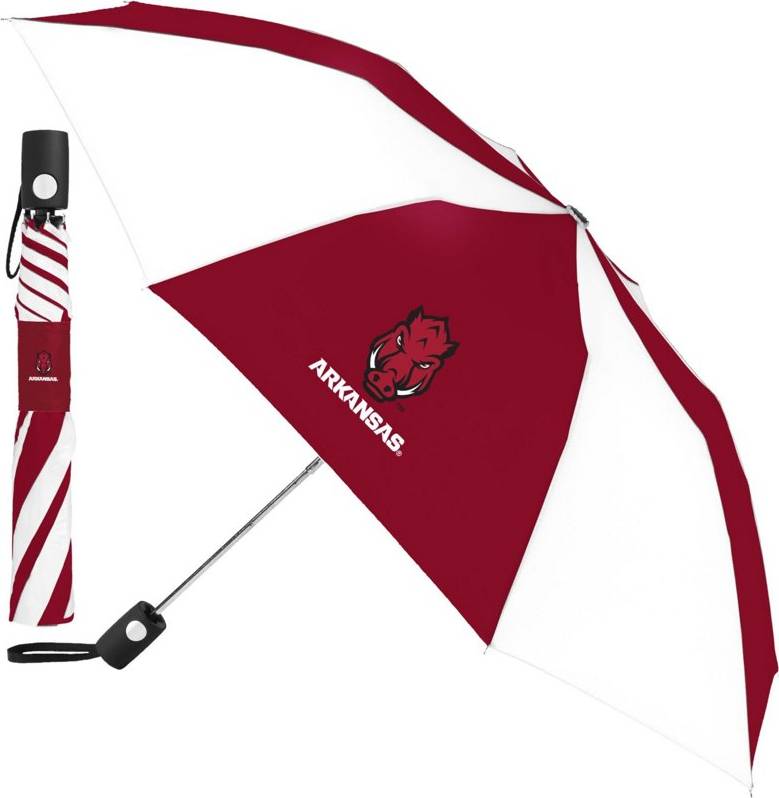


Umbrellas: 3 things to consider before buying
When choosing an umbrella, it's important to think about size and portability. If you need an umbrella for everyday commuting, a compact model that fits easily in your bag or backpack is ideal. These usually range from 9″ to 12″ when folded. For maximum coverage on particularly rainy days, larger umbrellas offer better protection but can be less convenient to carry around. Consider where you'll use the umbrella most often to decide which size best suits your lifestyle.
An umbrella's durability largely depends on its build quality. Look for frames made of sturdy materials like fiberglass or steel, as they provide better resistance against strong winds. The canopy material is also crucial; polyester and pongee are popular choices because they're water-repellent and quick-drying. A well-constructed handle with a comfortable grip can make a big difference during prolonged use. By focusing on these aspects, you ensure that your umbrella will withstand the elements and last longer.
Modern umbrellas come with various features that can enhance usability. Automatic open-and-close mechanisms allow for easy operation with one hand, which is especially useful when you're juggling bags or other items. UV protection coatings are beneficial if you plan to use the umbrella for sunshade purposes as well as rain protection. Reflective strips or bright colors improve visibility during low-light conditions, adding an extra layer of safety when walking near traffic. These additional features can significantly enhance your overall experience.
Umbrellas are available in various types, including compact, golf, bubble, and automatic. Compact umbrellas are portable and fit easily in a bag. Golf umbrellas are large and provide extensive coverage. Bubble umbrellas offer wind protection with a dome shape, while automatic umbrellas open with a button press.
Umbrellas are measured by their canopy size, usually ranging from 30″ to 70″. Choose based on your needs: larger canopies for more coverage and smaller ones for portability. Consider your height and the number of people you want to cover when selecting the size.
Umbrellas are commonly made from materials like polyester, nylon, and pongee for the canopy, with frames often crafted from aluminum, steel, or fiberglass. Polyester is durable and water-resistant; nylon is lightweight; pongee offers a silk-like feel. Frame materials affect strength and weight.
Umbrellas are designed as windproof models featuring reinforced frames and vented canopies to withstand strong winds. These features help prevent flipping inside out during gusts. Look for double-canopy designs if you frequently use an umbrella in windy conditions.
Umbrellas require regular cleaning and drying to maintain their condition. After use, shake off excess water and leave it open to dry completely before storing. Clean the canopy with mild soap and water if needed to prevent mold or mildew buildup.
Anuncio
Umbrellas
- Inbrella
- Duck umbrella
- Table umbrellas
- Paw patrol rubble
- Upside down umbrella
- Coach Umbrellas
- Moschino Umbrellas
- Knirps Umbrellas
- Blue Umbrellas
- Totes Umbrellas
- Black Umbrellas
- Pink Umbrellas
- Solid Colors Umbrellas
- Vera Bradley Umbrellas
- Blunt Umbrellas
- Burberry Umbrellas
- Compact Umbrellas
- DICK's Sporting Goods Umbrellas
- Automatic Umbrellas
- Samsonite Umbrellas
- Red Umbrellas
- Golf Umbrellas
- Polyester Umbrellas
- Storm Duds Umbrellas
- Manual Umbrellas
- Curved Handle Umbrellas
- Fulton Umbrellas
- Disney Umbrellas
- Children's Umbrellas
- Cover Umbrellas
- Straight Handle Umbrellas
- Transparent Umbrellas
- Kate Spade Umbrellas
- Stephen Joseph Umbrellas
- Rainbrella Umbrellas
- UV Protection Umbrellas
- Academy Sports & Outdoors Umbrellas
- Multicolored Umbrellas
- Walking Umbrellas
- Trespass Umbrellas
Consulta los términos de pago. Es posible que se requiera un pago inicial más alto para algunos consumidores. Préstamos para residentes de CA otorgados o gestionados conforme a una licencia de la Ley de Financiamiento de California. NMLS # 1353190.
Una compra de $1,000 podría costar $173.53 al mes durante 6 meses con una TPA del 13.99 %. La tasa varía de 0.00 % a 35.99 % de TPA según la solvencia crediticia, la duración del plazo y está sujeta a aprobación crediticia, resultando, por ejemplo, en 3 pagos mensuales iguales de $333.33 con una TPA del 0.00 % hasta $353.52 con una TPA del 35.99 % por cada $1,000 prestados. Se puede requerir un monto mínimo de compra y un pago inicial. La estimación del pago mensual excluye posibles costos de impuestos y envío. Financiamiento mensual a través de Klarna emitida por WebBank.