


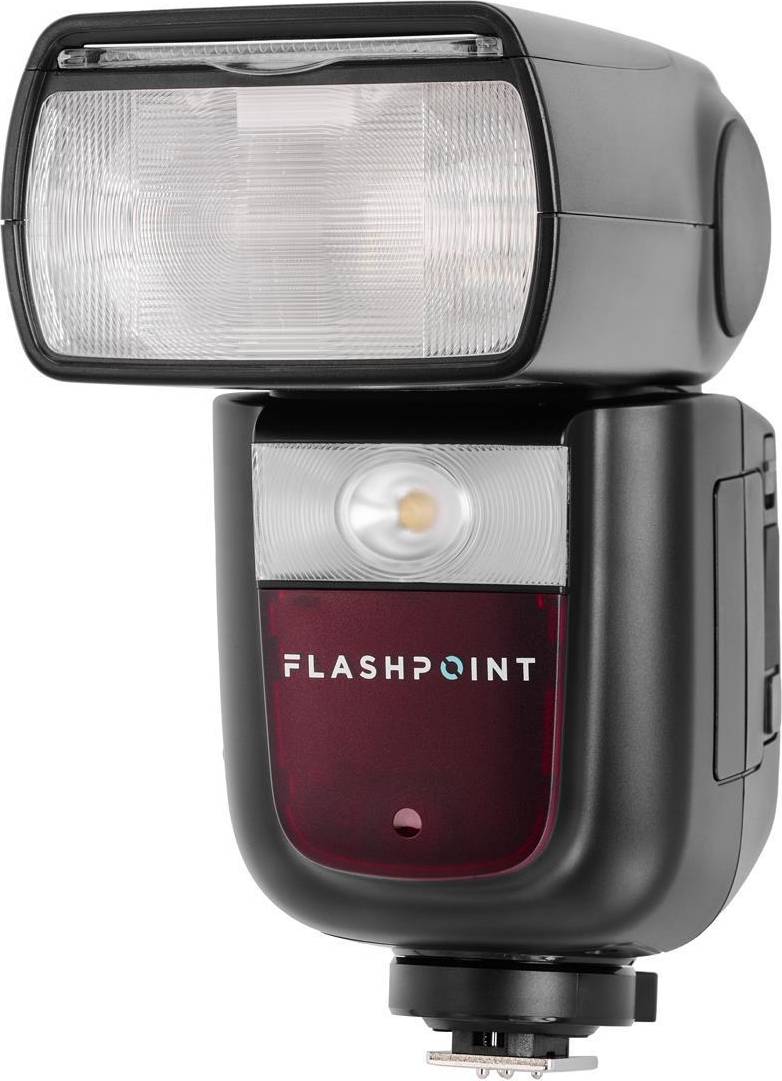
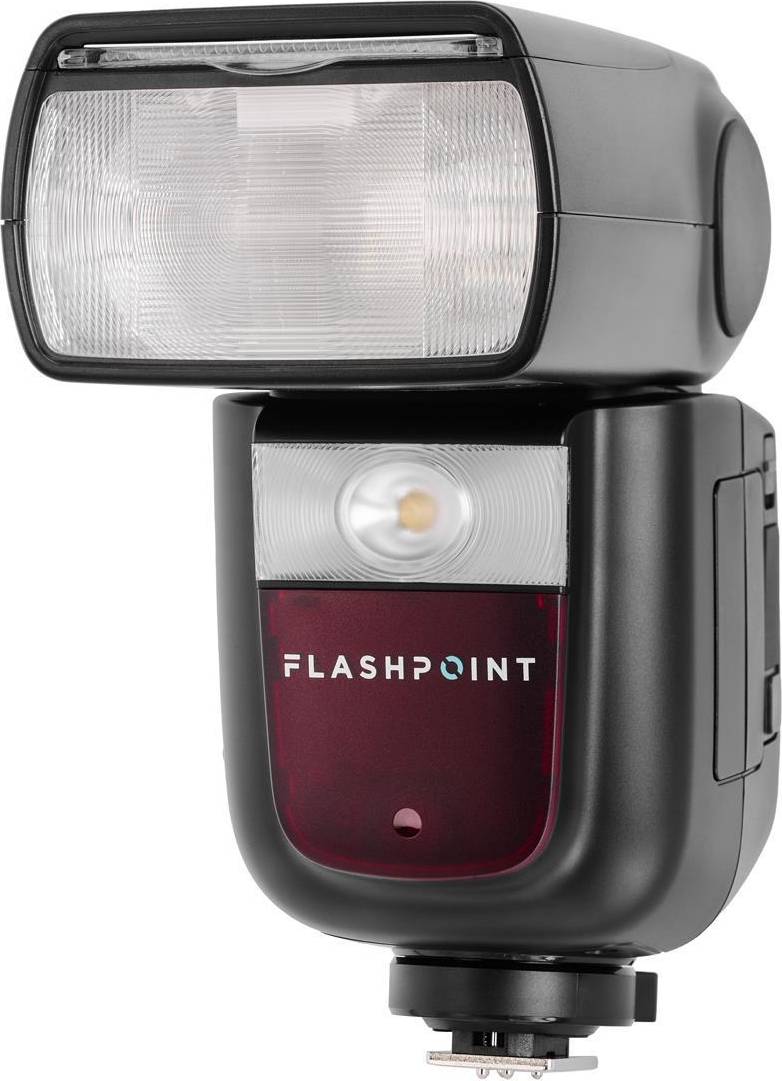
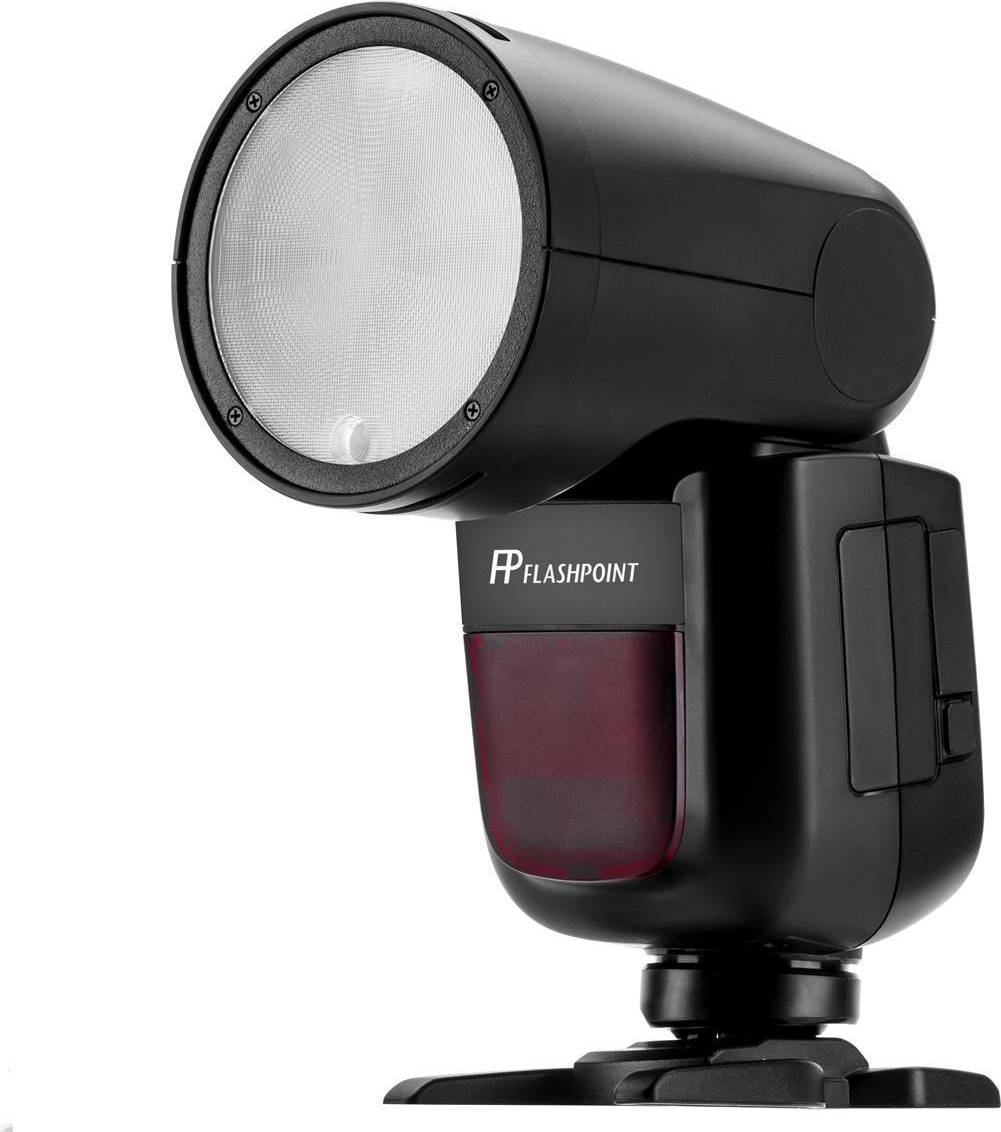


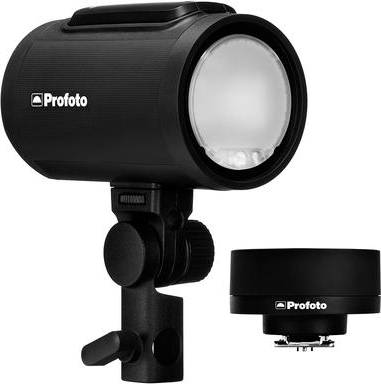


Camera flashes are used to provide additional light when taking photographs in low-light conditions. They help illuminate subjects and reduce shadows. A good flash can enhance image quality by balancing light and capturing details that may otherwise be lost in dim environments.
Camera flashes should be chosen based on compatibility with your camera, desired power output, and features. Consider whether you need a built-in or external flash, TTL (Through-The-Lens) metering, or wireless capabilities for more creative control.
Built-in camera flashes are integrated into the camera body, offering convenience but limited power. External camera flashes attach to the camera via a hot shoe or sync port, providing more power and flexibility for various lighting situations.
Flash power in camera flashes determines how much light is emitted. Higher power allows for better illumination of distant subjects and larger areas. Consider the guide number when evaluating flash power; a higher number indicates greater range and brightness.
TTL features in camera flashes automatically adjust the flash output based on your camera's settings and ambient light conditions. This feature simplifies exposure control, making it useful for beginners or those who want quick adjustments without manual calculations.
Camera flashes can be used together to create complex lighting setups. Using multiple units allows you to control light direction and intensity creatively. Look for models with wireless triggering capabilities to synchronize them easily for more dynamic photography.
Camera Flashes: 3 things to consider before buying
When purchasing camera flashes, it's crucial to ensure compatibility with your camera model. Not all flashes work with every camera brand or model, so check the specifications carefully. For example, if you own a Canon DSLR, look for camera flashes specifically designed for Canon cameras. This ensures optimal performance and avoids potential issues during shoots.
The power and range of camera flashes significantly impact the quality of your photos. Look for a flash with a high guide number, which indicates its power level. A higher guide number means the flash can illuminate subjects at greater distances. For instance, if you're shooting events or wildlife, you'll need a powerful flash to cover larger areas effectively.
Modern camera flashes often come with additional features that enhance versatility and creativity. Consider options like TTL (Through-The-Lens) metering, which automatically adjusts the flash output based on the scene's lighting conditions. Other useful features include high-speed sync for capturing fast-moving subjects and bounce and swivel heads for directing light more creatively. These features can make a significant difference in your photography experience.
Anuncio
Camera Flashes
- Godox v1
- Godox 860iii
- Flash godox
- Godox v100
- Camera with flash
- Flash sony
- Nikon flash
- Speedlite el 1
- Godox trigger for nikon
- Fj80 ii
- Outdoor camera battery powered
- Lion o
- Wireless outdoor camera battery powered
- Manual Camera Flashes
- TTL Camera Flashes
- Godox Camera Flashes
- Sony Camera Flashes
- Slave Mode Camera Flashes
- Swivel Head Camera Flashes
- Sony Camera Flashes
- Yongnuo Camera Flashes
- Canon Camera Flashes
- Regular Camera Flashes
- Master Mode Camera Flashes
- AF-Assist Illuminator Camera Flashes
- Nikon Camera Flashes
- Profoto Camera Flashes
- Display Camera Flashes
- E-TTL (Canon) Camera Flashes
- Panasonic Camera Flashes
- Automatic & Manual Camera Flashes
- AA (LR06) Camera Flashes
- E-TTL II (Canon) Camera Flashes
- Pentax Camera Flashes
- Slave Flashes Camera Flashes
- Flashpoint Camera Flashes
- Nikon Camera Flashes
- I-TTL (Nikon) Camera Flashes
- Nissin Camera Flashes
- Manual Camera Flashes
Una compra de $1,000 podría costar $173.53 al mes durante 6 meses con una TPA del 13.99 %. La tasa varía de 0.00 % a 35.99 % de TPA según la solvencia crediticia, la duración del plazo y está sujeta a aprobación crediticia, resultando, por ejemplo, en 3 pagos mensuales iguales de $333.33 con una TPA del 0.00 % hasta $353.52 con una TPA del 35.99 % por cada $1,000 prestados. Se puede requerir un monto mínimo de compra y un pago inicial. La estimación del pago mensual excluye posibles costos de impuestos y envío. Financiamiento mensual a través de Klarna emitida por WebBank.
Consulta los términos de pago. Es posible que se requiera un pago inicial más alto para algunos consumidores. Préstamos para residentes de CA otorgados o gestionados conforme a una licencia de la Ley de Financiamiento de California. NMLS # 1353190.