
















3D Printing: 3 things to consider before buying
Before diving into the world of 3D printing, it's crucial to identify your specific needs and goals. Are you a hobbyist looking to create simple models, or do you need a printer for professional-grade prototypes? Consider factors like print size, resolution, and material compatibility. For instance, if you're interested in detailed miniatures, a printer with high resolution and precision is essential. On the other hand, if you're planning to produce larger objects, focus on the build volume. By understanding your requirements, you'll be better equipped to choose a 3D printer that aligns with your projects.
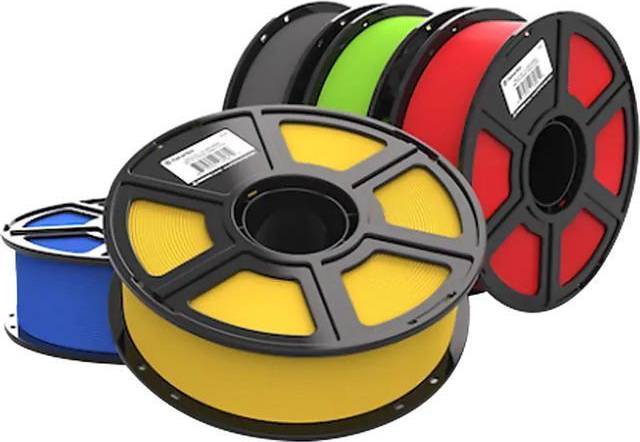
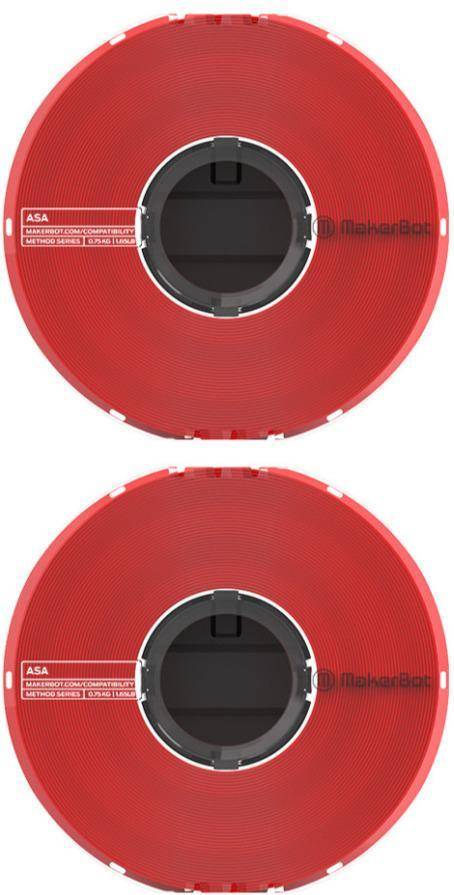
The type of material you plan to use can significantly impact your 3D printing experience. Common materials include PLA, ABS, and PETG, each offering unique properties. PLA is user-friendly and ideal for beginners, while ABS provides better strength and durability for functional parts. PETG combines the best of both worlds with flexibility and resistance. Consider what you'll be printing; for example, if you're creating outdoor items, opt for UV-resistant materials like ASA. Matching the material with your project's demands ensures optimal results.
When selecting a 3D printer, ensure it has the features necessary for your intended use. Look for compatibility with popular slicer software like Cura or PrusaSlicer to streamline your workflow. Features such as a heated bed can improve adhesion and reduce warping in prints made from materials like ABS. Additionally, consider connectivity options—Wi-Fi or USB connections can enhance convenience and flexibility in managing print jobs. By prioritizing essential features and compatibility, you'll enhance both the efficiency and quality of your 3D printing projects.
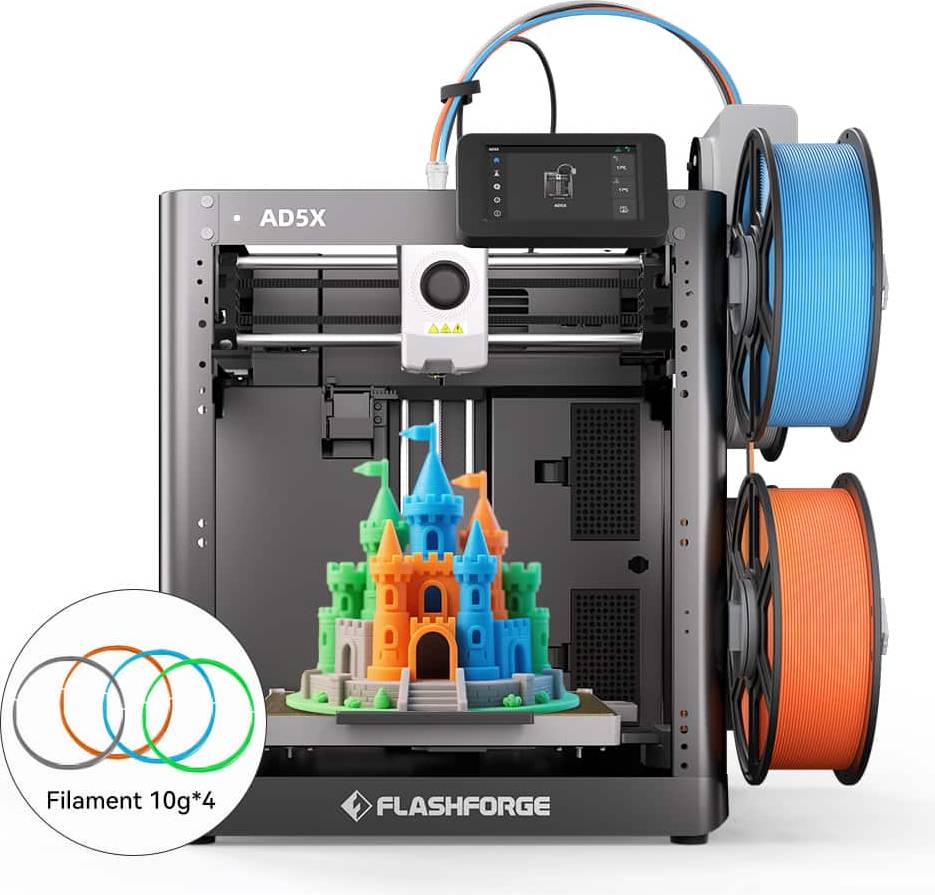
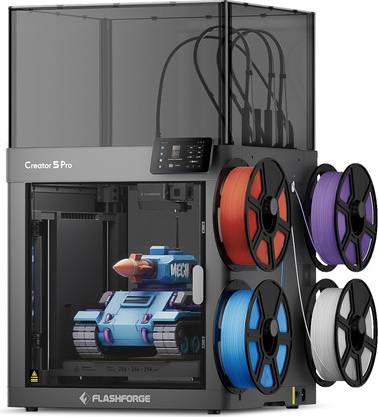
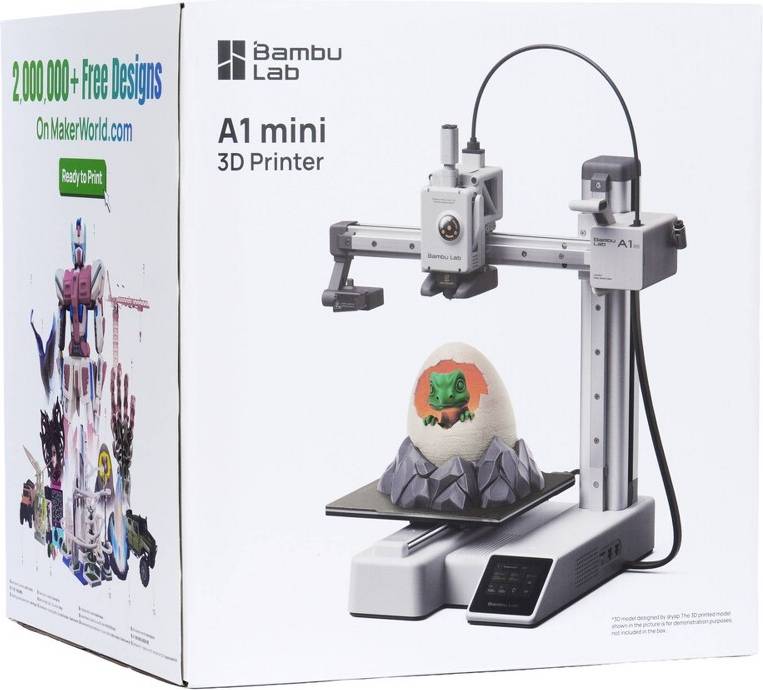
3D Printing is a process of creating three-dimensional objects from a digital file. It involves layering materials to build a physical model. When choosing a printer, consider materials like PLA or ABS and the printer's resolution for detailed models.
3D Printing works by adding material layer by layer to form an object. A digital design guides the printer. For best results, ensure your design file is compatible with the printer and choose a model with a suitable build volume for your projects.
3D Printers are categorized mainly into FDM, SLA, and SLS. FDM uses filament, SLA uses resin, and SLS uses powder. Each type suits different needs; consider your project requirements like detail level and material type when selecting.
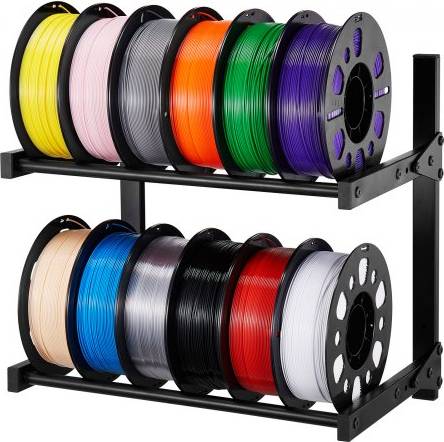
3D Printing materials include plastics like PLA and ABS, metals, ceramics, and resins. Your choice depends on the printer type and desired properties like flexibility or strength. Evaluate material cost and availability before purchasing.
3D Printing costs vary based on printer type, materials, and maintenance. Initial investments may be high but can save money over time if you frequently print prototypes or custom parts. Compare prices across brands to find an option that fits your budget.
When buying a 3D Printer, consider factors like build volume, resolution, material compatibility, and ease of use. Check user reviews for reliability insights and compare features to match your specific needs for personal or professional projects.
Anuncio
3D Printing
- Bambu printer
- 3d printer price
- Micro center
- Bambu lab a1 3d printer
- Creality
- Pla filament 1kg
- Bambu lab a1
- Ender
- Spool filament
- P1s
- Ender 3d printer
- Pla
- Creality ender 3
- 3d filament
- Ender3
- Black pla filament
- Resin printer
- Petg
- Creality ender
- Ender 3 pro
- 3D-Printers
- Bambu lab 3D Printing
- Filaments
- 3D-Scanners
- Bambu lab 3D-Printers
- Prusa 3D-Printers
- 3D-Printers on sale
- Creality 3D-Printers
- Creality 3D Printing
- Prusa 3D Printing
- Filaments
- Flashforge 3D Printing
- Bambu lab 3D-Printers
- Bambu lab Filaments
- Elegoo 3D Printing
- Sunlu 3D Printing
- Flashforge 3D-Printers
- Anycubic 3D-Printers
- Polymaker 3D Printing
- Creality Filaments
Una compra de $1,000 podría costar $173.53 al mes durante 6 meses con una TPA del 13.99 %. La tasa varía de 0.00 % a 35.99 % de TPA según la solvencia crediticia, la duración del plazo y está sujeta a aprobación crediticia, resultando, por ejemplo, en 3 pagos mensuales iguales de $333.33 con una TPA del 0.00 % hasta $353.52 con una TPA del 35.99 % por cada $1,000 prestados. Se puede requerir un monto mínimo de compra y un pago inicial. La estimación del pago mensual excluye posibles costos de impuestos y envío. Financiamiento mensual a través de Klarna emitida por WebBank.
Consulta los términos de pago. Es posible que se requiera un pago inicial más alto para algunos consumidores. Préstamos para residentes de CA otorgados o gestionados conforme a una licencia de la Ley de Financiamiento de California. NMLS # 1353190.