Projector Screens
Prueba pagos flexibles conAprende cómo






Projector Screens: 3 things to consider before buying
When selecting projector screens, it's essential to consider both the size and aspect ratio to ensure optimal viewing. Size matters because it determines how large the projected image will appear. Measure your space to decide on a suitable screen size—common choices range from 80″ to 120″ diagonally. Aspect ratio is equally important; it refers to the screen's width relative to its height. For home theaters, a 16:9 aspect ratio is popular as it matches most HD content, while a 4:3 ratio might be suitable for presentations. Make sure your choice aligns with your projector's capabilities and your room's dimensions.
The material of projector screens greatly influences image quality and viewing experience. Matte white screens are versatile and work well in various lighting conditions, offering accurate color reproduction. If you have a controlled lighting environment, consider a high-contrast gray screen which enhances black levels and contrast. For outdoor use, select weather-resistant materials that can withstand environmental elements. Think about your typical viewing conditions and pick a material that complements them for the best results.
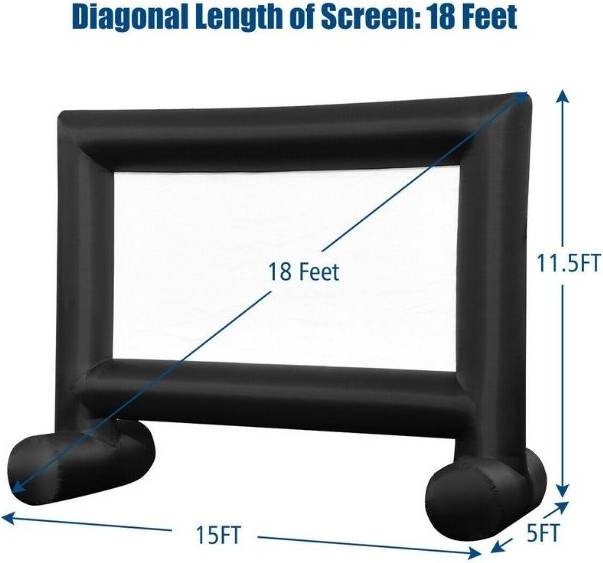
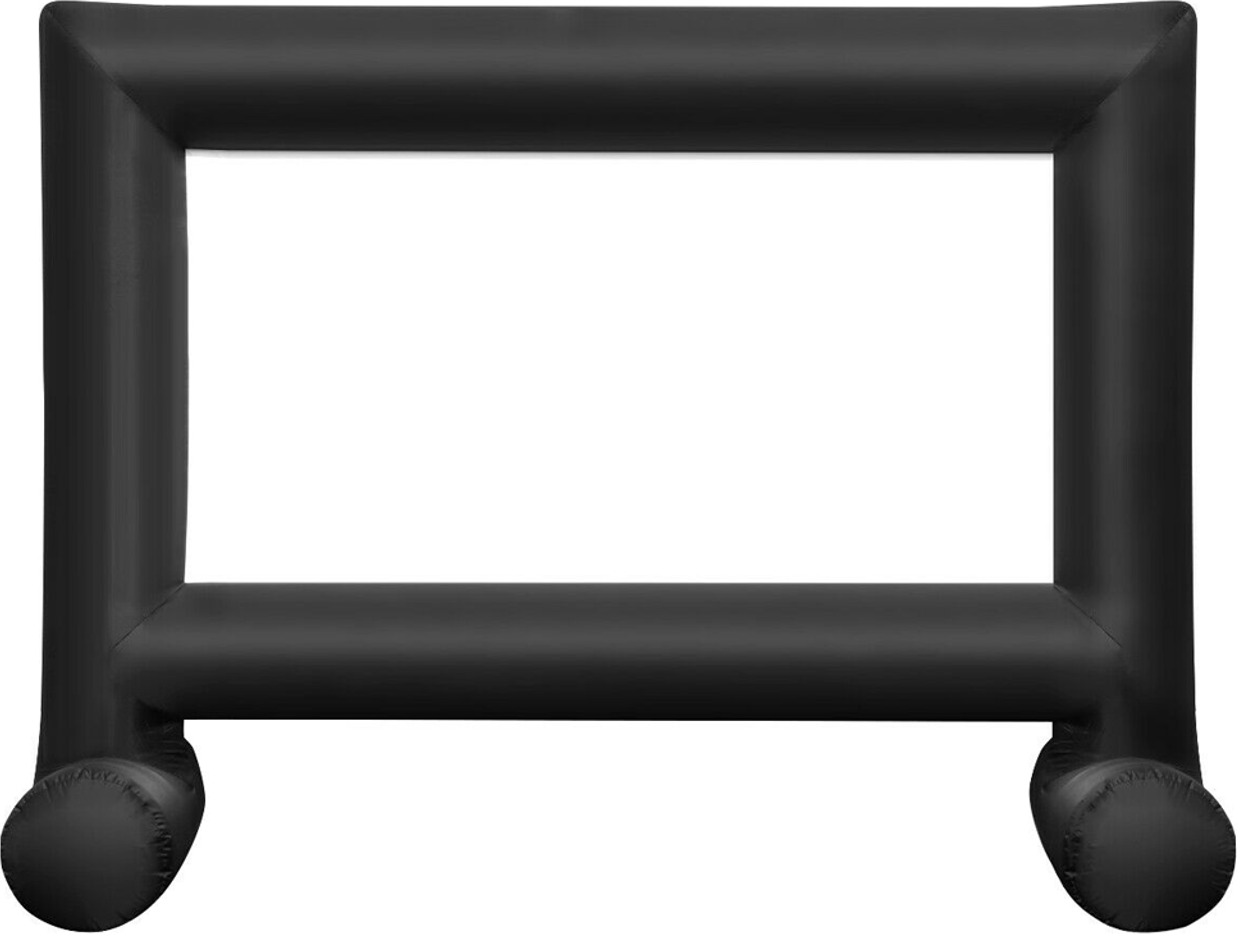
Projector screens come in different types based on portability and installation needs, so choose one that fits your lifestyle. If you need flexibility, opt for a portable screen that can be easily set up or moved around—ideal for outdoor movie nights or presentations at various locations. For a more permanent setup, consider a fixed frame screen, which offers a sleek appearance but requires dedicated space. Alternatively, retractable screens can be mounted on walls or ceilings and rolled up when not in use, saving space while keeping things tidy. Evaluate where you plan to use the screen most often and pick an option that suits your setup.
Projector screens are surfaces designed to display projected images. They enhance image quality by providing a smooth and reflective surface. When choosing a projector screen, consider the size of your room, viewing angle, and ambient light conditions. Options include fixed-frame, pull-down, and portable screens.
Projector screens are available in various sizes to fit different spaces. Measure your room's dimensions and the distance from the screen to the projector. A general rule is to have the screen width be about one-third of the distance from the screen to your seating area.
Projector screens come in several types, including fixed-frame, electric, manual pull-down, and portable models. Fixed-frame screens offer a permanent setup with high-quality visuals. Electric and manual screens provide flexibility for multi-use spaces, while portable screens are ideal for on-the-go presentations.
Projector screens are designed to improve image quality by offering a uniform surface that enhances brightness and contrast. Unlike walls or sheets, they reduce glare and reflections. Choose a screen with suitable gain and color for your projector's specifications to achieve optimal picture clarity.
Projector screens are made from materials like matte white fabric, glass bead, and high-contrast gray. Matte white is versatile for most environments; glass bead increases brightness in low-light settings; high-contrast gray enhances black levels in rooms with ambient light.
A wall can be an alternative to projector screens but may not offer the same image quality. Walls often have imperfections affecting image clarity and color accuracy. For better results, consider painting the wall with specialized projection paint or using an actual screen for consistent performance.
Anuncio
Projector Screens
- Projector screen 100 inch
- Floor rising projector screen
- Outdoor movie projector and screen
- Clr screen
- Pull down projector screen
- Short throw projector 4k
- Projector with screen
- 120 inch projector screen
- 4k ultra short throw projector
- Inflatable projector screen
- Outdoor projector
- Outdoor movie screen
- Projector for home
- Inflatable outdoor movie screen
- Projector wall mount
- 120 in projector screen
- Movie projector outdoor
- Projector stand
- Outdoor projector screen
- Movie projector
- Elite Screens Projector Screens
- VEVOR Projector Screens
- Portable (Stand) Projector Screens
- 120 " Projector Screens
- Front Projection Projector Screens
- Electric Projector Screens
- Wall Projector Screens
- Kodak Projector Screens
- 100 " Projector Screens
- ALR/CLR Screen Projector Screens
- Da-Lite Projector Screens
- Ceiling Projector Screens
- Pyle Projector Screens
- Floor Projector Screens
- 16:9 Projector Screens
- Elite Projector Screens
- Black Projector Screens
- Projector Screens on sale
- White Projector Screens
- Fixed Frames Projector Screens
Consulta los términos de pago. Es posible que se requiera un pago inicial más alto para algunos consumidores. Préstamos para residentes de CA otorgados o gestionados conforme a una licencia de la Ley de Financiamiento de California. NMLS # 1353190.
Una compra de $1,000 podría costar $173.53 al mes durante 6 meses con una TPA del 13.99 %. La tasa varía de 0.00 % a 35.99 % de TPA según la solvencia crediticia, la duración del plazo y está sujeta a aprobación crediticia, resultando, por ejemplo, en 3 pagos mensuales iguales de $333.33 con una TPA del 0.00 % hasta $353.52 con una TPA del 35.99 % por cada $1,000 prestados. Se puede requerir un monto mínimo de compra y un pago inicial. La estimación del pago mensual excluye posibles costos de impuestos y envío. Financiamiento mensual a través de Klarna emitida por WebBank.