


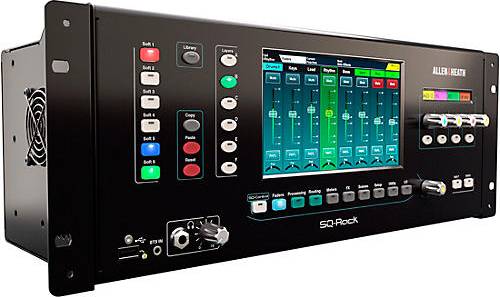


Studio mixers are essential tools for combining, adjusting, and balancing multiple audio inputs into a cohesive output. They allow you to control sound levels, tone, and effects during recording or live performances. Key features often include multiple channels, equalization controls, and built-in effects which help tailor sound quality to your needs.
Studio mixers are selected based on the number of channels needed, the type of connectivity options available, and whether they have built-in digital effects. Considerations include your specific recording requirements, budget constraints, and compatibility with other equipment you own.
Studio mixers come in analog and digital forms. Analog mixers offer a warm, natural sound and are typically easier to use. Digital mixers provide more flexibility with features like presets and automation. Your choice depends on whether you prioritize ease of use or advanced functionality.
Studio mixers significantly impact sound quality by allowing precise control over audio signals. They help eliminate noise and enhance clarity through equalization and effects processing. Investing in a high-quality mixer can elevate your overall audio production experience.
Studio mixers are versatile tools suitable for both recording studios and live performances. They provide real-time control over audio levels and effects during events. Ensure that the mixer you choose has enough channels and outputs to accommodate your live setup needs.
Studio mixers designed for portability should be lightweight yet durable, with sufficient inputs/outputs for your needs. Look for models with USB connectivity for easy integration with computers. Portability enhances convenience without sacrificing essential features necessary for high-quality audio production.
Studio Mixers: 3 things to consider before buying
When choosing a studio mixer, it’s crucial to assess your specific needs and budget. Identify the purpose of the studio mixer—whether for home recording, live performances, or professional studio use. A simple analog mixer might suffice for basic tasks, while a digital mixer offers more features like built-in effects and automation, ideal for complex projects. Budget wisely by balancing features with price; remember that investing in quality equipment can enhance your recordings significantly.
Studio mixers come with varying numbers of input and output channels. Determine how many instruments or microphones you plan to connect simultaneously. A small setup might only need a mixer with 4 to 8 channels, while larger productions require 16 or more. Also, consider the types of inputs (e.g., XLR, line-level) and outputs (e.g., USB for computer connectivity) to ensure compatibility with your existing gear.
A good studio mixer should offer essential features that match your production style. Key features include built-in equalizers for tone control, onboard effects like reverb or delay, and connectivity options such as Bluetooth or USB interfaces. If you plan to record multiple tracks simultaneously, look for mixers with multitrack recording capabilities. Prioritize these features based on how you intend to use the mixer to ensure it meets your creative needs.
Anuncio
Studio Mixers
- Rockville audio
- Behringer mixer
- Irig
- Behringer mixers
- Yamaha mixer
- X32
- Allen heath
- Audio mixer
- Allen & heath
- Allen & heath cq
- Usb mixer interface
- Sound mixer
- Allen and heath digital mixer
- Audio
- Midas m32
- Audio interface for pc
- Irig multimedia
- Tascam interface
- Irig stream
- Usb mixer
- Mackie Studio Mixers
- Built-in Effects Studio Mixers
- Yamaha Studio Mixers
- XLR Studio Mixers
- Allen & Heath Studio Mixers
- 1/8" Headphone Jack Studio Mixers
- Behringer Studio Mixers
- Phantom Power Studio Mixers
- Soundcraft Studio Mixers
- Midas Studio Mixers
- Tascam Studio Mixers
- USB-A Studio Mixers
- Studio Mixers
- Digitals Studio Mixers
- Analogs Studio Mixers
- Presonus Studio Mixers
- MIDI through USB Studio Mixers
- XLR Studio Mixers
- 1/4" Jack Studio Mixers
- USB-C Studio Mixers
Una compra de $1,000 podría costar $173.53 al mes durante 6 meses con una TPA del 13.99 %. La tasa varía de 0.00 % a 35.99 % de TPA según la solvencia crediticia, la duración del plazo y está sujeta a aprobación crediticia, resultando, por ejemplo, en 3 pagos mensuales iguales de $333.33 con una TPA del 0.00 % hasta $353.52 con una TPA del 35.99 % por cada $1,000 prestados. Se puede requerir un monto mínimo de compra y un pago inicial. La estimación del pago mensual excluye posibles costos de impuestos y envío. Financiamiento mensual a través de Klarna emitida por WebBank.
Consulta los términos de pago. Es posible que se requiera un pago inicial más alto para algunos consumidores. Préstamos para residentes de CA otorgados o gestionados conforme a una licencia de la Ley de Financiamiento de California. NMLS # 1353190.