- Instrument Amplifiers
- Guitar Amplifiers
- Guitar Cabinets
- Bass Amplifiers
- Guitar Amplifier Tops
- Drum Amplifiers
- Keyboard Amplifiers


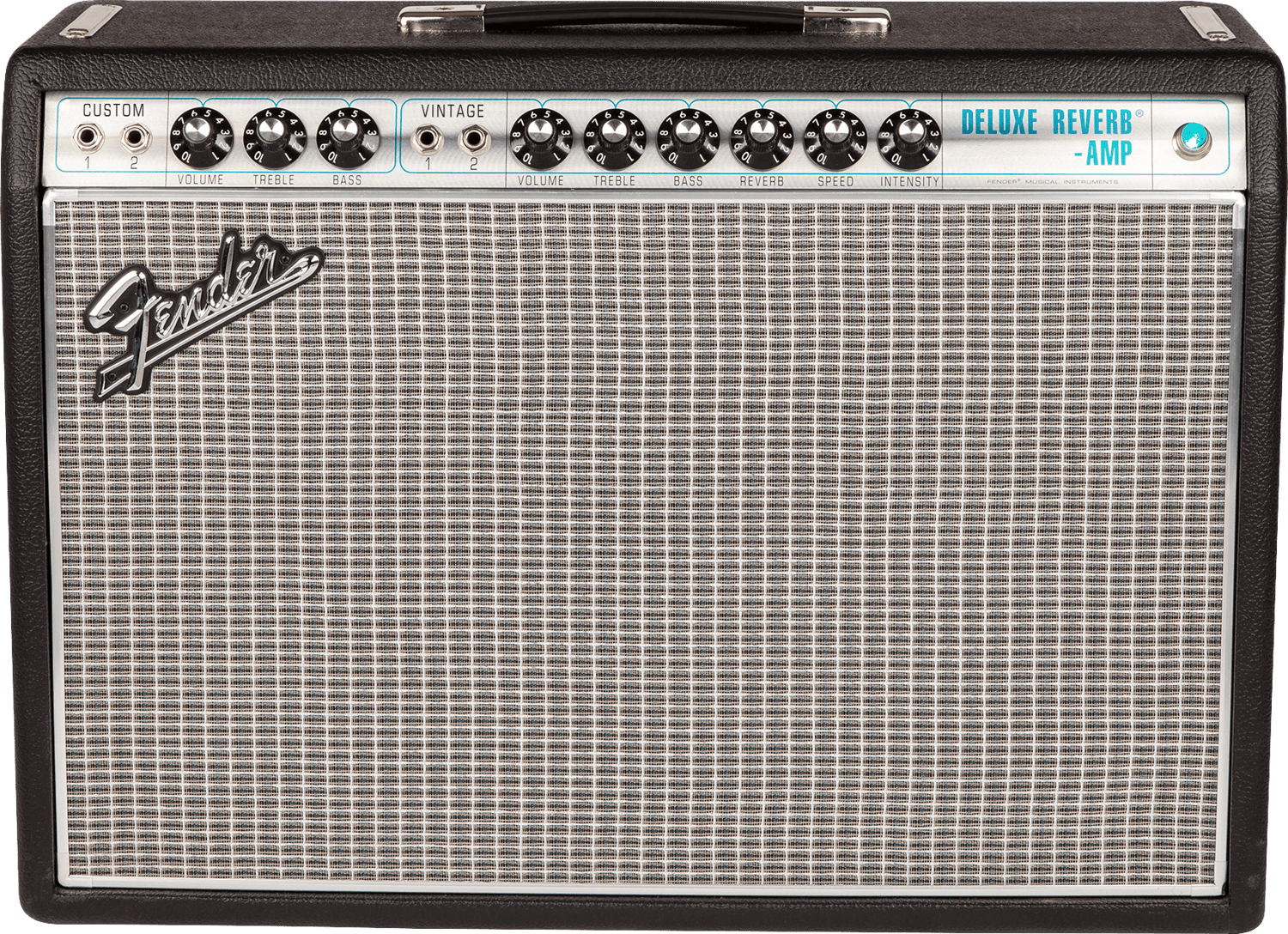


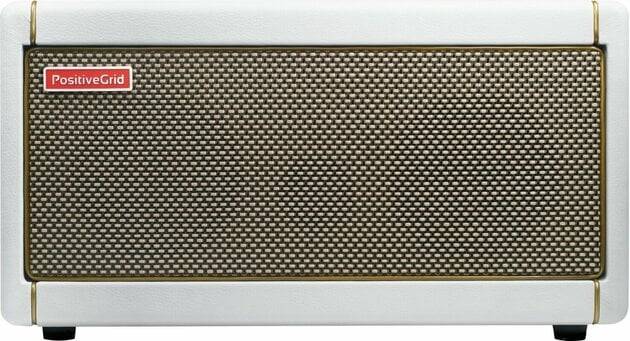


Guitar Amplifiers: 3 things to consider before buying
Before purchasing a guitar amplifier, think about where you’ll be using it most often. If you’re primarily playing at home or in small spaces, a small practice amp with lower wattage might be ideal. These are typically more affordable and easier to manage in confined areas. On the other hand, if you plan to perform live or need an amp for band rehearsals, look for larger amps with higher wattage to ensure your sound carries well over other instruments. Remember that tube amplifiers tend to be louder than solid-state ones at the same wattage, so consider this when deciding on power needs.
Guitar amplifiers come in various types, each offering unique benefits. Tube amplifiers are favored for their warm, rich tones and dynamic response but require more maintenance and can be pricier. Solid-state amplifiers, on the other hand, are known for their reliability and affordability, making them great for beginners or those on a budget. Modeling amplifiers use digital technology to emulate different amp sounds and are perfect for players who want versatility without owning multiple amps. Consider what suits your style and needs best before making a decision.
When selecting a guitar amplifier, focus on features that will enhance your playing experience. Look for amps with built-in effects like reverb or delay if you enjoy experimenting with sound textures without needing additional pedals. Amps with multiple channels allow you to switch between clean and distorted sounds easily during performances. Additionally, consider connectivity options such as headphone jacks for silent practice or auxiliary inputs to play along with backing tracks. By prioritizing these features, you'll find an amplifier that not only meets your current needs but also supports your musical growth.
Guitar amplifiers are devices that strengthen the sound of an electric or acoustic guitar. They come in various sizes and power levels to suit different playing environments. Consider your playing style and venue size when choosing an amplifier, as this affects the needed wattage and features.
Choosing the right guitar amplifier depends on your musical style, budget, and performance needs. Determine whether you need a combo amp or a head and cabinet setup. Evaluate features like built-in effects, connectivity options, and portability.
Tube amplifiers are known for their warm, rich tones, while solid-state amplifiers are more reliable and affordable. Consider if you prioritize sound quality over cost and maintenance. Tube amps often require more upkeep but deliver superior sound for certain genres.
Wattages in guitar amplifiers indicate their power output and volume capability. Higher wattage amps are suitable for large venues, while lower wattage amps work well for practice or small gigs. Assess your typical playing environment to decide on the appropriate wattage.
You can use guitar amplifiers with acoustic guitars if they have pickups installed. Some amps are designed specifically for acoustic guitars, offering a cleaner sound suited to their tonal qualities. Look for models with features like anti-feedback controls for optimal performance.
Anuncio
Guitar Amplifiers
Una compra de $1,000 podría costar $173.53 al mes durante 6 meses con una TPA del 13.99 %. La Tasa de Porcentaje Anual (TPA) varía de 0.00 % a 35.99 % de TPA según la solvencia crediticia, la duración del plazo y está sujeta a aprobación crediticia, resultando, por ejemplo, en 3 pagos mensuales iguales de $333.33 con una TPA del 0.00 % hasta $353.52 con una TPA del 35.99 % por cada $1,000 prestados. Se puede requerir un monto mínimo de compra y un pago inicial. La estimación del pago mensual excluye posibles costos de impuestos y envío. Financiamiento mensual a través de Klarna, emitido por WebBank.
Consulta los términos de pago. Es posible que se requiera un pago inicial más alto para algunos consumidores. Préstamos para residentes de CA otorgados o gestionados conforme a una licencia de la Ley de Financiamiento de California. NMLS # 1353190.