
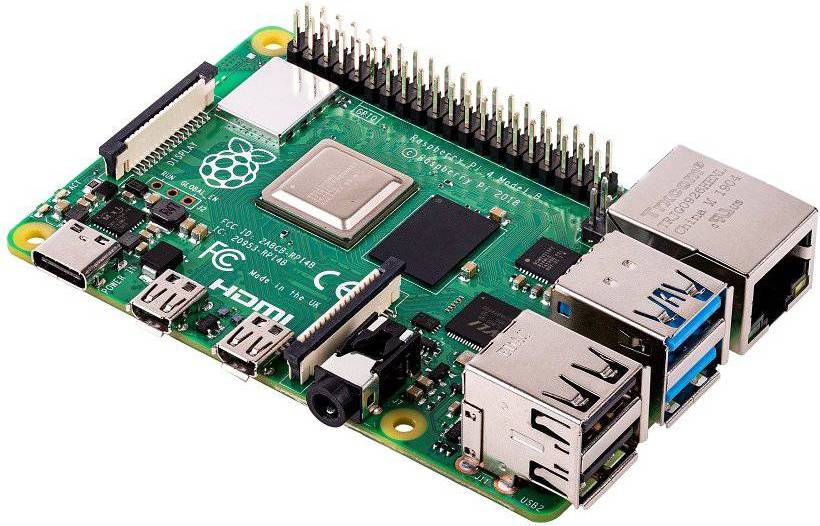








Single-Board Computers are compact computers built on a single circuit board. They include a processor, memory, and storage. These computers are great for hobbyists, educators, and developers due to their affordability and versatility. When choosing one, consider processing power, connectivity options, and intended use.
Single-Board Computers are smaller and less powerful than traditional desktops. They serve specific tasks like programming, education, or IoT projects. Unlike desktops, they often require external components like monitors or keyboards. Consider them if you need a portable and cost-effective computing solution.
Single-Board Computers require attention to processing power, connectivity options, and compatibility with your projects. Evaluate the number of USB ports, Wi-Fi capability, and supported operating systems. Opt for models with robust community support for easier troubleshooting and development.
Single-Board Computers are excellent for beginners due to their affordability and educational resources available online. They provide hands-on experience in coding and electronics. Start with popular models that offer extensive tutorials and community support to help you learn effectively.
Single-Board Computers can run full operating systems like Linux or lightweight versions of Windows. However, they may have limitations in performance compared to regular PCs. Choose an operating system that matches your project's requirements and ensure compatibility with the board's specifications.
Single-Board Computers: 3 things to consider before buying
When choosing single-board computers, it’s crucial to first define what you need them for. Are you planning a simple DIY project, or do you need something robust for a more complex application? For instance, if you're building a media center, look for models with high-definition video outputs and strong processing power. On the other hand, if your goal is to teach coding basics, an affordable model with basic features might be more suitable. By understanding your purpose, you can narrow down your options and focus on what's truly important for your needs.
Connectivity is key when selecting single-board computers. Evaluate what types of connections are essential for your projects. Do you need multiple USB ports, Wi-Fi capability, or Ethernet connectivity? For example, if you're setting up a networked device, ensure that the board supports reliable Ethernet or Wi-Fi connections. Alternatively, if peripheral support is critical, check the availability of USB ports and GPIO pins. Prioritizing these features ensures compatibility with your existing devices and enhances functionality.
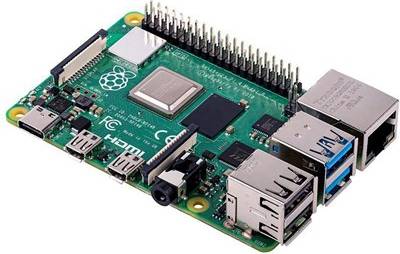
One often overlooked aspect of buying single-board computers is the availability of community support and resources. Boards like the Raspberry Pi benefit from a large community that offers extensive tutorials, forums, and troubleshooting advice. This can be invaluable when tackling challenges or seeking inspiration for new projects. Before making a purchase, research the level of support available for your chosen model—having access to guides and community forums can make all the difference in successfully implementing your projects.
Anuncio
Single-Board Computers
- Raspberry pi 5
- Raspberry pi
- Raspberry pi 4
- Raspberry pi zero 2
- Raspberry pi 3
- Raspberry pi 3 b
- Raspberry pi 2gb
- Raspberry Pi Single-Board Computers
- Wi-Fi Single-Board Computers
- Mini HDMI Single-Board Computers
- Arduino Single-Board Computers
- Raspberry Pi Mini HDMI Single-Board Computers
- Waveshare Single-Board Computers
- Bluetooth Single-Board Computers
- Micro HDMI Single-Board Computers
- CanaKit Single-Board Computers
- DDR4 Single-Board Computers
- USB-A Single-Board Computers
- Micro-USB Single-Board Computers
- Single-Board Computers
- GPU Single-Board Computers
- Makeblock Single-Board Computers
- AAAWAVE Single-Board Computers
- Viewsonic Single-Board Computers
- BCM2711 Single-Board Computers
- Inland Single-Board Computers
- Envistia Single-Board Computers
- OKdo Single-Board Computers
- Broadcom Single-Board Computers
- Cortex-M0+ Single-Board Computers
- Radxa Single-Board Computers
- 4 MB Single-Board Computers
- Wi-Fi 4 (802.11n) Single-Board Computers
- BIGTREETECH Single-Board Computers
- Cheap Single-Board Computers
- ASUS Single-Board Computers
- Comprehensive Single-Board Computers
- Adafruit Single-Board Computers
- Intel Single-Board Computers
- Jolooyo Single-Board Computers
Una compra de $1,000 podría costar $173.53 al mes durante 6 meses con una TPA del 13.99 %. La tasa varía de 0.00 % a 35.99 % de TPA según la solvencia crediticia, la duración del plazo y está sujeta a aprobación crediticia, resultando, por ejemplo, en 3 pagos mensuales iguales de $333.33 con una TPA del 0.00 % hasta $353.52 con una TPA del 35.99 % por cada $1,000 prestados. Se puede requerir un monto mínimo de compra y un pago inicial. La estimación del pago mensual excluye posibles costos de impuestos y envío. Financiamiento mensual a través de Klarna emitida por WebBank.
Consulta los términos de pago. Es posible que se requiera un pago inicial más alto para algunos consumidores. Préstamos para residentes de CA otorgados o gestionados conforme a una licencia de la Ley de Financiamiento de California. NMLS # 1353190.