












Pasta Makers: 3 things to consider before buying
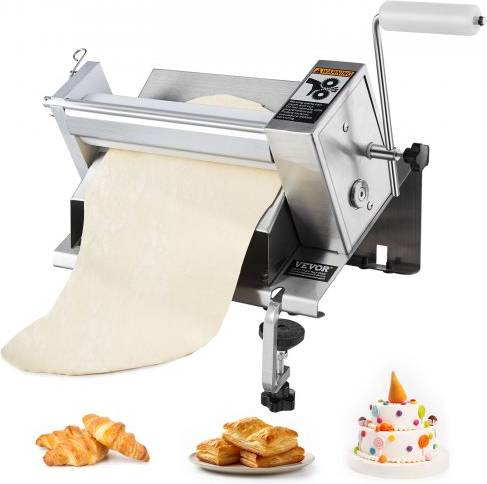
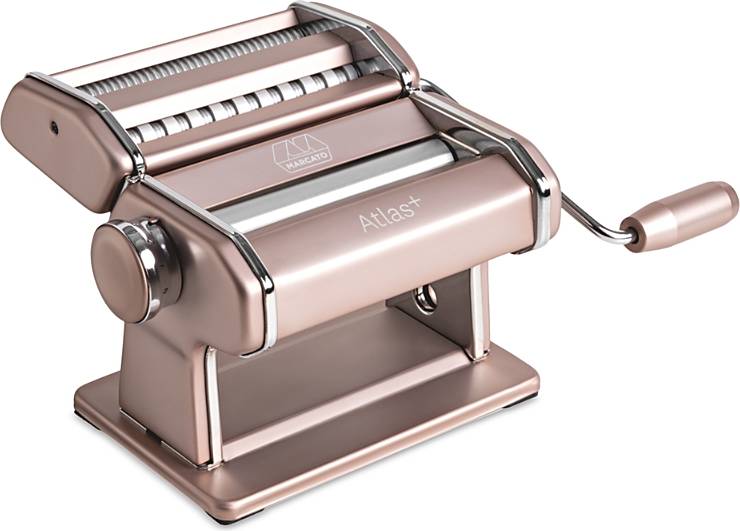
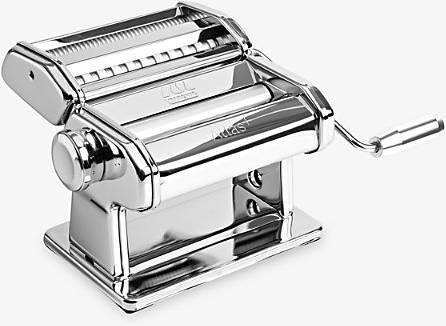
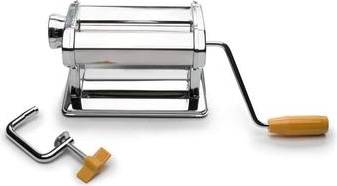
When choosing a pasta maker, it’s essential to consider whether you prefer a manual or electric model. Manual pasta makers require you to hand-crank the dough through rollers, giving you more control over thickness and texture. They are often more affordable and compact but require more effort. Electric pasta makers, on the other hand, automate much of the process, making them ideal for those who frequently make pasta or want to save time. They can be more expensive but offer convenience and consistency. Think about your cooking habits and how much effort you’re willing to invest in making pasta.
The material and build quality of a pasta maker significantly impact its durability and performance. Look for models made from stainless steel, as they are robust, easy to clean, and resistant to rust. Avoid plastic components in areas that endure high stress, like rollers or cranks, as they may wear out quickly. A well-built pasta maker will not only last longer but also produce better-quality pasta by ensuring even pressure and smooth rolling.
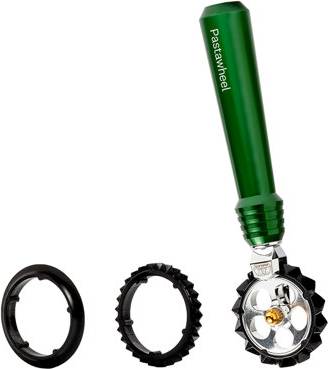
Additional features can enhance your pasta-making experience and add versatility to your kitchen appliance. Consider whether the pasta maker comes with interchangeable attachments for different types of pasta, such as spaghetti, fettuccine, or lasagna sheets. Some models include cutters for various shapes or thickness settings for precise control over your noodles. Also, check if parts are dishwasher-safe for easier cleaning or if there is an option for adjustable speed settings in electric models. These features can make a significant difference in how often and how easily you use your pasta maker.
Pasta makers are kitchen appliances that help you make fresh pasta at home. They come in manual or electric models, allowing you to roll and cut dough into various pasta shapes. Manual pasta makers require hand-cranking, while electric ones offer automated functions for ease of use.
Pasta makers are chosen based on your cooking needs, budget, and space. Consider whether you prefer a manual or electric model. Manual models offer control and are often cheaper, while electric models provide convenience with more features but at a higher cost.
Pasta makers are typically made from stainless steel or plastic. Stainless steel is durable and easy to clean, making it ideal for frequent use. Plastic models can be lighter and less expensive but may not last as long under heavy use.
Pasta makers vary in advantages depending on your needs. Electric models offer speed and automation, perfect for those who value convenience. Manual models give you more control over thickness and texture, suitable for traditionalists who enjoy hands-on cooking.
Pasta makers are versatile tools that can create various pasta types like spaghetti, fettuccine, and lasagna sheets. Many come with adjustable settings or attachments to customize the shape and thickness of the pasta according to your preference.
Anuncio
Pasta Makers
- Pasta maker machine
- Pasta roller
- Marcato atlas 150
- Pasta maker kitchenaid attachment
- Spaghetti maker
- Atlas pasta machine
- Atlas pasta machine 150
- Kitchenaid pasta roller
- Pasta maker kitchenaid
- Noodle maker
- Philips Pasta Makers
- Marcato Pasta Makers
- Pasta Makers
- Imperia Pasta Makers
- Pasta Makers
- Pasta Makers
- Red Pasta Makers
- Pasta Makers
- Pasta Makers on sale
- Cuisinart Pasta Makers
- Pink Pasta Makers
- Chrome Pasta Makers
- Fante's Pasta Makers
- Ovente Pasta Makers
- VEVOR Pasta Makers
- White Pasta Makers
- Hamilton Beach Pasta Makers
- Tagliatelle Pasta Makers
- Lasagna Plates Pasta Makers
- IMounTEK Pasta Makers
- Spaghetti Pasta Makers
- Weston Pasta Makers
- KitchenAid Pasta Makers
- Black Pasta Makers
- Deco Chef Pasta Makers
- Fox Run Pasta Makers
- Fettuccine Pasta Makers
- Küchenprofi Pasta Makers
- Smeg Pasta Makers
- CucinaPro Pasta Makers
Consulta los términos de pago. Es posible que se requiera un pago inicial más alto para algunos consumidores. Préstamos para residentes de CA otorgados o gestionados conforme a una licencia de la Ley de Financiamiento de California. NMLS # 1353190.
Una compra de $1,000 podría costar $173.53 al mes durante 6 meses con una TPA del 13.99 %. La tasa varía de 0.00 % a 35.99 % de TPA según la solvencia crediticia, la duración del plazo y está sujeta a aprobación crediticia, resultando, por ejemplo, en 3 pagos mensuales iguales de $333.33 con una TPA del 0.00 % hasta $353.52 con una TPA del 35.99 % por cada $1,000 prestados. Se puede requerir un monto mínimo de compra y un pago inicial. La estimación del pago mensual excluye posibles costos de impuestos y envío. Financiamiento mensual a través de Klarna emitida por WebBank.