Light Bulbs


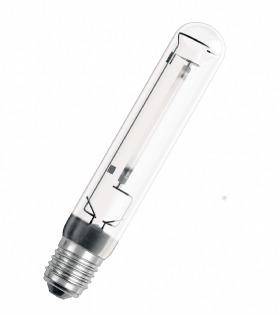


- Light Bulbs
- LED Lamps
- Plantlights
- Fluorescent Lamps
- Halogen Lamps
- High-Intensity Discharge Lamps
- Incandescent Lamps


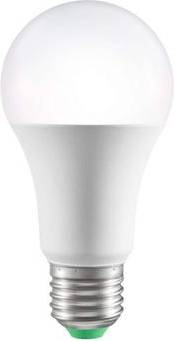


Light bulbs are available in several types, including LED, CFL, halogen, and incandescent. Each type offers unique benefits. LED bulbs are energy-efficient and long-lasting. CFLs use less energy than incandescent but contain small amounts of mercury. Halogens provide bright light and are dimmable. Incandescents are the traditional choice but consume more energy.
Light bulbs are chosen based on wattage to match your lighting needs. Higher wattage means more brightness but also more energy use. Consider the room size and purpose. For general lighting, 60-100 watts is common, while task lighting may require higher wattage.
Light bulbs are measured in lumens to indicate brightness. More lumens mean brighter light. A standard 60-watt incandescent bulb produces about 800 lumens. When selecting a bulb, consider how much light you need for the space to ensure adequate illumination.
Light bulbs like LEDs are generally better than incandescents due to their efficiency and longevity. LEDs use up to 80% less energy and can last up to 25 times longer than incandescents, saving money on electricity bills and replacement costs.
Light bulbs that are dimmable will be labeled as such on the packaging. Check for phrases like dimmable or symbols indicating compatibility with dimmer switches. Not all LEDs and CFLs are dimmable, so it's important to verify before purchasing if you plan to use a dimmer.
Light Bulbs: 3 things to consider before buying
When choosing light bulbs, it's important to consider the different types available: LED, CFL, halogen, and incandescent. Each type has its benefits. For example, LED light bulbs are energy-efficient and long-lasting, making them a cost-effective choice over time. CFLs also offer energy savings but have a slightly shorter lifespan compared to LEDs. Halogen light bulbs provide bright, white light and are often used in task lighting. Incandescent light bulbs are less energy-efficient but offer a warm glow that some people prefer for ambiance. Assess your lighting needs and preferences to select the best type for your home.
Instead of focusing on wattage, which measures energy use, pay attention to lumens, which indicate brightness. More lumens mean a brighter light bulb. For instance, if you're looking to replace a 60-watt incandescent bulb, look for an LED bulb with around 800 lumens for comparable brightness. Consider the room's purpose when selecting brightness; living rooms may require softer lighting around 450 lumens, while workspaces might benefit from brighter options at 1000 lumens or more.
The color temperature of light bulbs affects the ambiance of a room and is measured in Kelvin (K). Lower Kelvin numbers (2700K-3000K) emit a warm yellowish light ideal for cozy spaces like bedrooms or living rooms. Higher Kelvin numbers (5000K-6500K) produce a cool bluish-white light suitable for task-oriented areas like kitchens or offices where clarity is essential. Choose the color temperature that complements your space's function and mood to enhance your home's atmosphere effectively.
Anuncio
Light Bulbs
- Ge led bulbs
- Grow light
- Led grow light
- 75 watt light bulbs
- Philips hue
- Led grow light bulbs
- Candelabra base led bulbs
- Led grow
- Philips hue smart bulbs
- Philips hue starter
- Philips wiz smart wi fi led color bulb
- Led edison bulb
- Warm light led bulbs
- Non led light bulbs
- Vintage edison light bulbs
- T10 led bulb
- Philips hue smart bulb
- Feit electric led light bulb
- Philips hue a19 bulb
- Light bulb ceiling fan
- LED Lamps
- Fluorescent Lamps
- Halogen Lamps
- Incandescent Lamps
- Plantlights
- Energy-Efficient Lamps
- High-Intensity Discharge Lamps
- Xenon Lamps
- Philips LED Lamps
- Philips Light Bulbs
- Apple HomeKit Light Bulbs
- GU5.3 MR16 Light Bulbs
- GU10 Light Bulbs
- E14 LED Lamps
- Light Bulbs on sale
- E27 LED Lamps
- Dimmable LED Lamps
- Osram Halogen Lamps
- Osram LED Lamps
- Osram Light Bulbs
Una compra de $1,000 podría costar $173.53 al mes durante 6 meses con una TPA del 13.99 %. La Tasa de Porcentaje Anual (TPA) varía de 0.00 % a 35.99 % de TPA según la solvencia crediticia, la duración del plazo y está sujeta a aprobación crediticia, resultando, por ejemplo, en 3 pagos mensuales iguales de $333.33 con una TPA del 0.00 % hasta $353.52 con una TPA del 35.99 % por cada $1,000 prestados. Se puede requerir un monto mínimo de compra y un pago inicial. La estimación del pago mensual excluye posibles costos de impuestos y envío. Financiamiento mensual a través de Klarna, emitido por WebBank.
Consulta los términos de pago. Es posible que se requiera un pago inicial más alto para algunos consumidores. Préstamos para residentes de CA otorgados o gestionados conforme a una licencia de la Ley de Financiamiento de California. NMLS # 1353190.