Outbuildings
Prueba pagos flexibles conAprende cómo


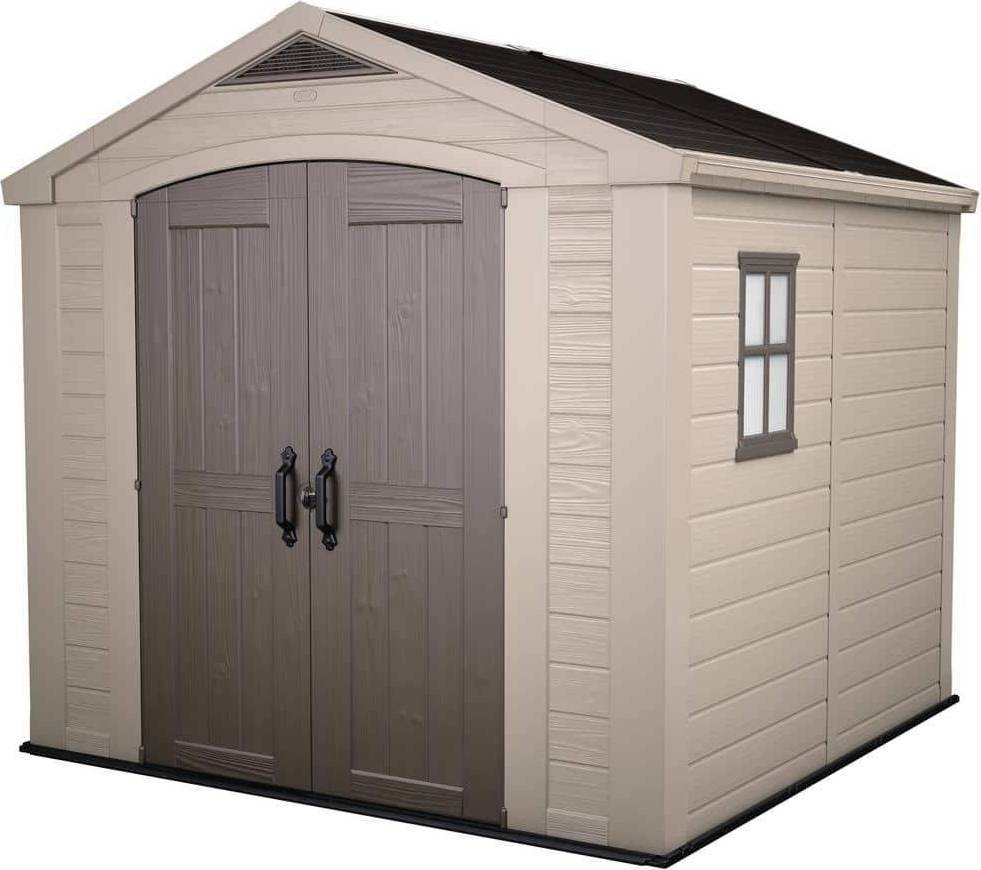


Outbuildings: 3 things to consider before buying
Before diving into purchasing outbuildings, assess your space requirements. Consider what you plan to store or use the outbuilding for, whether it's gardening tools, a workshop, or extra living space. Measure the available area in your yard to ensure the outbuilding will fit comfortably without overwhelming your outdoor space. For example, if you're storing large equipment like a lawnmower, you may need an outbuilding with at least 10″ x 12″ dimensions. Planning your space helps you choose an outbuilding that meets your needs without unnecessary expense.
Outbuildings come in various materials such as wood, metal, and plastic, each with its benefits. Wood offers a classic look and is easily customizable but may require more maintenance to prevent rot or pest damage. Metal is durable and low-maintenance but can be prone to rust if not properly treated. Plastic is lightweight and resistant to decay but might lack the aesthetic appeal of wood. Consider your climate conditions and personal preferences when selecting the material to ensure longevity and satisfaction.
Think about how your needs might evolve over time. If you anticipate needing more storage or additional functionality, opt for outbuildings that allow for easy expansion or modification. Some designs offer modular options or are built with add-ons in mind, making it simple to increase capacity later on. Planning for future growth can save time and money down the line by avoiding the need for an entirely new structure.
Outbuildings are structures separate from the main house, used for various purposes like storage or workshops. They enhance your property by providing extra space. Consider size, materials, and intended use when choosing an outbuilding to ensure it meets your needs.
Outbuildings are versatile structures that can be customized to fit specific requirements. Assess your space, budget, and purpose before selecting. Think about factors like insulation, ventilation, and accessibility to ensure the outbuilding serves its intended function effectively.
Outbuildings are often made from wood, metal, or plastic. Each material offers unique benefits: wood provides a natural look, metal offers durability, and plastic requires low maintenance. Choose based on climate conditions and personal preferences for longevity and aesthetics.
Outbuildings may require permits depending on local regulations and size. Check with local authorities to understand zoning laws and permit requirements before construction. Compliance ensures safety and prevents legal issues down the road.
Outbuildings can be insulated to improve comfort and energy efficiency. Insulation helps maintain temperature control, making them suitable for year-round use. Consider insulation options if you plan to use the space as a workshop or office.
Outbuildings come in various types like sheds, workshops, and greenhouses. Each type serves a specific purpose; sheds offer storage while workshops provide workspace. Identify your primary need to select the most suitable type of outbuilding.
Anuncio
Outbuildings
- Suncast storage shed
- Outdoor storage shed
- Outdoor storage sheds
- Keter garden storage
- Keter storage
- Resin outdoor storage sheds
- Lifetime storage shed
- Wood shed kit
- Metal lean to shed
- Lifetime shed
- Keter store it out
- Shed with floor
- Bike shed
- Sheds and outdoor storage
- Metal garden shed
- 8x6 garden sheds
- Sheds & outdoor storage
- 10 10 shed
- Garden storage sheds
- Bike storage shed
- Sheds
- Carports
- Sheds
- Garden Storage Units
- Lifetime Sheds
- Wheelie Bin Storage
- Firewood Shed
- Bicycle Shed
- Garage
- Suncast Sheds
- Sheds
- Duramax Sheds
- Keter Sheds
- Keter Outbuildings
- Sheds
- Keter Garden Storage Units
- Sheds on sale
- Keter Brown Sheds
- Handy Home Sheds
- Carports
Una compra de $1,000 podría costar $173.53 al mes durante 6 meses con una TPA del 13.99 %. La tasa varía de 0.00 % a 35.99 % de TPA según la solvencia crediticia, la duración del plazo y está sujeta a aprobación crediticia, resultando, por ejemplo, en 3 pagos mensuales iguales de $333.33 con una TPA del 0.00 % hasta $353.52 con una TPA del 35.99 % por cada $1,000 prestados. Se puede requerir un monto mínimo de compra y un pago inicial. La estimación del pago mensual excluye posibles costos de impuestos y envío. Financiamiento mensual a través de Klarna emitida por WebBank.
Consulta los términos de pago. Es posible que se requiera un pago inicial más alto para algunos consumidores. Préstamos para residentes de CA otorgados o gestionados conforme a una licencia de la Ley de Financiamiento de California. NMLS # 1353190.