Sheet Materials



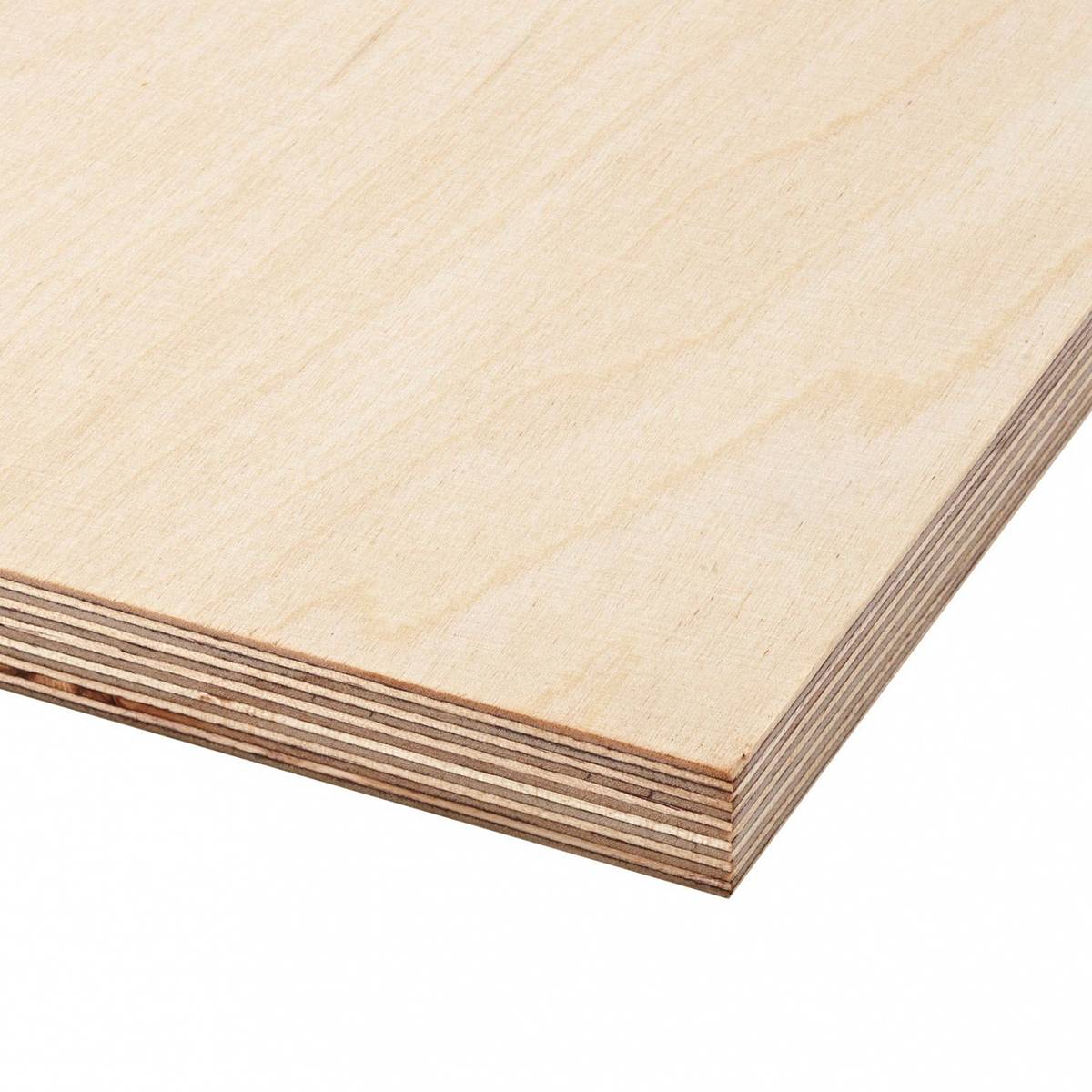


Sheet Materials are flat, thin pieces of material used in construction and home improvement. They include plywood, drywall, and oriented strand board (OSB). These materials are essential for building walls, floors, and roofs. Choose based on factors like moisture resistance, strength, and ease of installation.
Sheet Materials are selected based on your specific project needs. Consider factors such as environmental conditions, load requirements, and budget. For example, plywood is great for structural support, while drywall is ideal for interior walls. Evaluate each option's properties to find the best fit.
Plywood and OSB are both Sheet Materials used in construction. Plywood consists of thin wood layers glued together with grains at right angles, offering high strength. OSB is made from compressed wood strands bonded with adhesives. OSB is generally more affordable but less moisture-resistant than plywood.
Sheet Materials are available in eco-friendly options. Look for products certified by organizations like FSC or SFI that ensure sustainable sourcing. Recycled content and low-VOC emissions also contribute to an environmentally friendly choice. Always check product labels for green certifications when sustainability is a priority.
Sheet Materials are suitable for outdoor use if they have been treated or designed for weather resistance. Plywood marked as exterior-grade or marine-grade can withstand moisture better than standard types. Always ensure proper sealing and treatment to enhance durability when using them outdoors.
Sheet Materials: 3 things to consider before buying
When choosing sheet materials, it's essential to consider the specific type that best suits your project needs. Plywood, MDF (Medium-Density Fiberboard), and OSB (Oriented Strand Board) each have unique properties. For example, plywood is known for its strength and versatility, making it ideal for structural applications like flooring or wall sheathing. MDF offers a smooth surface perfect for painting or veneering, often used in cabinetry or furniture. OSB is cost-effective and works well for roof decking. Think about where you’ll use the sheet material and select the type that aligns with your project's requirements.
The thickness and size of sheet materials can significantly impact your project's outcome. Standard thicknesses range from 1/8″ to 3/4″, but you may find other options depending on the application. Thicker sheets provide greater strength and durability, while thinner sheets are lighter and more flexible. Consider what dimensions will fit your space without excessive cutting or waste. We recommend measuring your area carefully to determine the right size before purchasing, ensuring a seamless fit.
Moisture resistance is a crucial factor when selecting sheet materials, especially for projects in damp environments like bathrooms or basements. Look for products labeled as moisture-resistant or waterproof to ensure longevity and prevent warping or damage over time. Plywood treated for exterior use can withstand humidity better than standard MDF, which tends to swell when exposed to water. By considering moisture resistance, you can choose materials that maintain their integrity and appearance in challenging conditions.
Anuncio
Sheet Materials
- Clear acrylic sheet
- 3 4 plywood
- 1 4 inch plywood
- 1 inch plywood
- Acoustic foam panels
- Wood slat wall panel
- Acoustic foam
- Laminate sheet
- Board and batten vinyl siding
- Clear plastic sheets
- Slat wall
- Wall slat panels
- 1 8 inch plywood
- Heavy duty plastic sheeting roll
- Wood panel wall decor
- Decorative wood panels
- Wooden wall panels
- Soundproof
- Sound absorbing panels
- Wpc wall panel
- Acoustic Panels
- Wall Panels
- Plywood
- Plastic Sheets
- Polycarbonate Sheets
- Rubber Sheets
- Access Panels
- Metal Sheets
- Acrylic Glass
- Carbon Fiber Sheets
- Drywall
- OSB Boards
- MDF Boards
- Polycarbonate Sheets on sale
- Acoustic Panels on sale
- Origin 21 Acoustic Panels
- VidaXL Acoustic Panels
- Plastic Plastic Sheets
- Sheet Materials on sale
- Ekena Millwork Sheet Materials
Una compra de $1,000 podría costar $173.53 al mes durante 6 meses con una TPA del 13.99 %. La Tasa de Porcentaje Anual (TPA) varía de 0.00 % a 35.99 % de TPA según la solvencia crediticia, la duración del plazo y está sujeta a aprobación crediticia, resultando, por ejemplo, en 3 pagos mensuales iguales de $333.33 con una TPA del 0.00 % hasta $353.52 con una TPA del 35.99 % por cada $1,000 prestados. Se puede requerir un monto mínimo de compra y un pago inicial. La estimación del pago mensual excluye posibles costos de impuestos y envío. Financiamiento mensual a través de Klarna, emitido por WebBank.
Consulta los términos de pago. Es posible que se requiera un pago inicial más alto para algunos consumidores. Préstamos para residentes de CA otorgados o gestionados conforme a una licencia de la Ley de Financiamiento de California. NMLS # 1353190.