Switches
Prueba pagos flexibles conAprende cómo







Switches: 3 things to consider before buying
Before purchasing switches, it's crucial to evaluate your network requirements. Consider the size of your network and the number of devices you need to connect. For a small home office, a basic unmanaged switch might suffice, while larger networks in business settings may require managed switches for enhanced control and security features. Identify key features such as port numbers, speed (like Gigabit or 10-Gigabit), and PoE (Power over Ethernet) capabilities that align with your needs.
When buying switches, think about future-proofing your investment. Technology evolves rapidly, and so do network demands. Opt for switches that offer scalability options, such as stackable models that allow you to add more switches without major overhauls. Look for features like modular designs or additional ports to accommodate potential expansion, ensuring your network can grow seamlessly as your requirements increase.
Energy-efficient switches can help reduce operational costs and are better for the environment. Look for models with energy-saving features like auto power-down for unused ports or fanless designs that consume less power. Check for certifications like Energy Star to ensure you're choosing a switch that meets recognized standards for energy efficiency. This approach not only supports sustainability but also contributes to lower electricity bills over time.
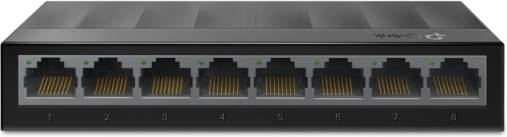
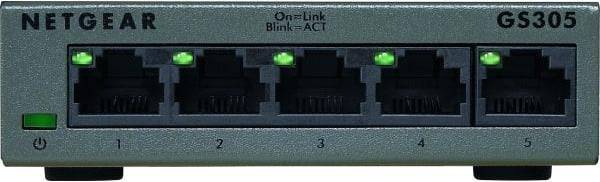
Switches are devices that connect multiple devices on a computer network. They manage data traffic efficiently, ensuring smooth communication between connected devices. When choosing a switch, consider the number of ports you need and whether you require managed or unmanaged options for better control over your network.
Managed switches are configurable and offer advanced features for controlling network traffic. Unmanaged switches are plug-and-play with no configuration needed. If you need more control over your network settings, go for managed switches. Otherwise, unmanaged switches are great for simple setups.
Switches with gigabit capabilities offer faster data transfer rates compared to standard Ethernet switches. They are ideal if you transfer large files frequently or have high-speed internet connections. Ensure your connected devices also support gigabit speeds to maximize benefits.
Switches with Power over Ethernet (PoE) supply power to devices like IP cameras and phones through Ethernet cables. This eliminates the need for separate power supplies. Consider PoE switches if you have devices that can be powered this way, simplifying installation and reducing cable clutter.
Switches come with varying numbers of ports, typically ranging from 5 to 48 or more. Determine how many devices you plan to connect now and in the future. It's wise to choose a switch with more ports than currently needed to allow for expansion without replacing equipment.
Anuncio
Switches
- 2.5g switch
- Ubiquiti switch 8 poe
- 8 port switch
- Tp link 16 port poe switch
- Ubiquiti usw 48 poe
- Tp link tl sg1024
- Tp link smart switch
- Netgear 5 port gigabit ethernet switch
- Netgear poe switch 8 port
- Netgear 8 ports switch
- 8 port netgear switch
- Poe 2.5g
- Unifi 48 port
- Power over ethernet
- 8 port gigabit sfp poe
- Tp link switch
- Poe 60w
- 4k hdmi matrix
- Tl sg3452p
- 8k hz
- Mikrotik Switches
- Cisco Switches
- TP-Link Switches
- Ubiquiti Switches
- 10 GigaBit Ethernet Switches
- Netgear Switches
- Managed Switches
- GigaBit Ethernet Switches
- Zyxel Switches
- Cisco GigaBit Ethernet Switches
- Trendnet Switches
- D-Link Switches
- 2.5 GigaBit Ethernet Switches
- HP Switches
- 5 GigaBit Ethernet Switches
- Extreme Networks Switches
- 10 GigaBit Ethernet - Managed Switches
- Grandstream Switches
- TP-Link 2.5 GigaBit Ethernet Switches
- HPE Switches
Consulta los términos de pago. Es posible que se requiera un pago inicial más alto para algunos consumidores. Préstamos para residentes de CA otorgados o gestionados conforme a una licencia de la Ley de Financiamiento de California. NMLS # 1353190.
Una compra de $1,000 podría costar $173.53 al mes durante 6 meses con una TPA del 13.99 %. La tasa varía de 0.00 % a 35.99 % de TPA según la solvencia crediticia, la duración del plazo y está sujeta a aprobación crediticia, resultando, por ejemplo, en 3 pagos mensuales iguales de $333.33 con una TPA del 0.00 % hasta $353.52 con una TPA del 35.99 % por cada $1,000 prestados. Se puede requerir un monto mínimo de compra y un pago inicial. La estimación del pago mensual excluye posibles costos de impuestos y envío. Financiamiento mensual a través de Klarna emitida por WebBank.