


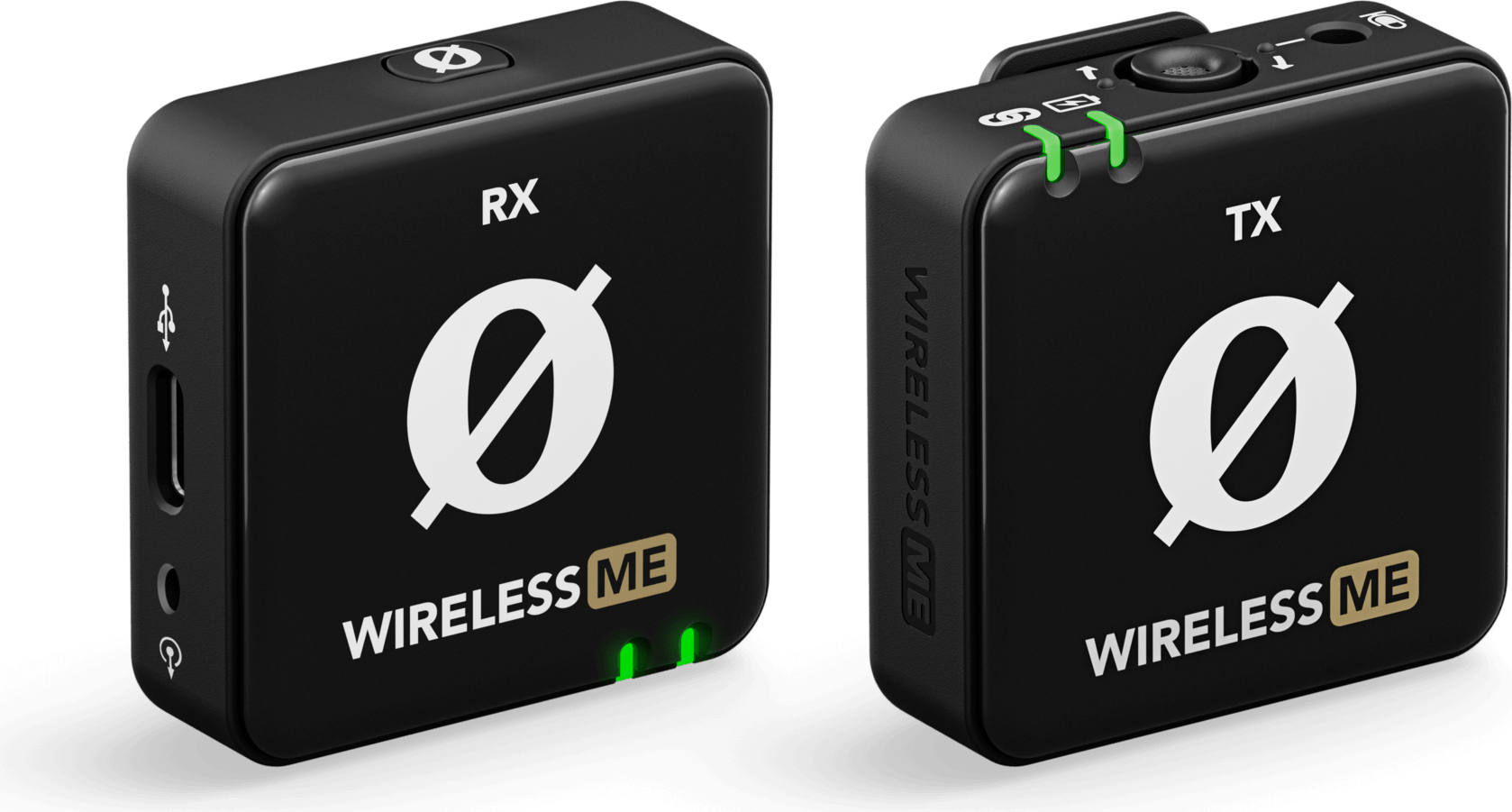


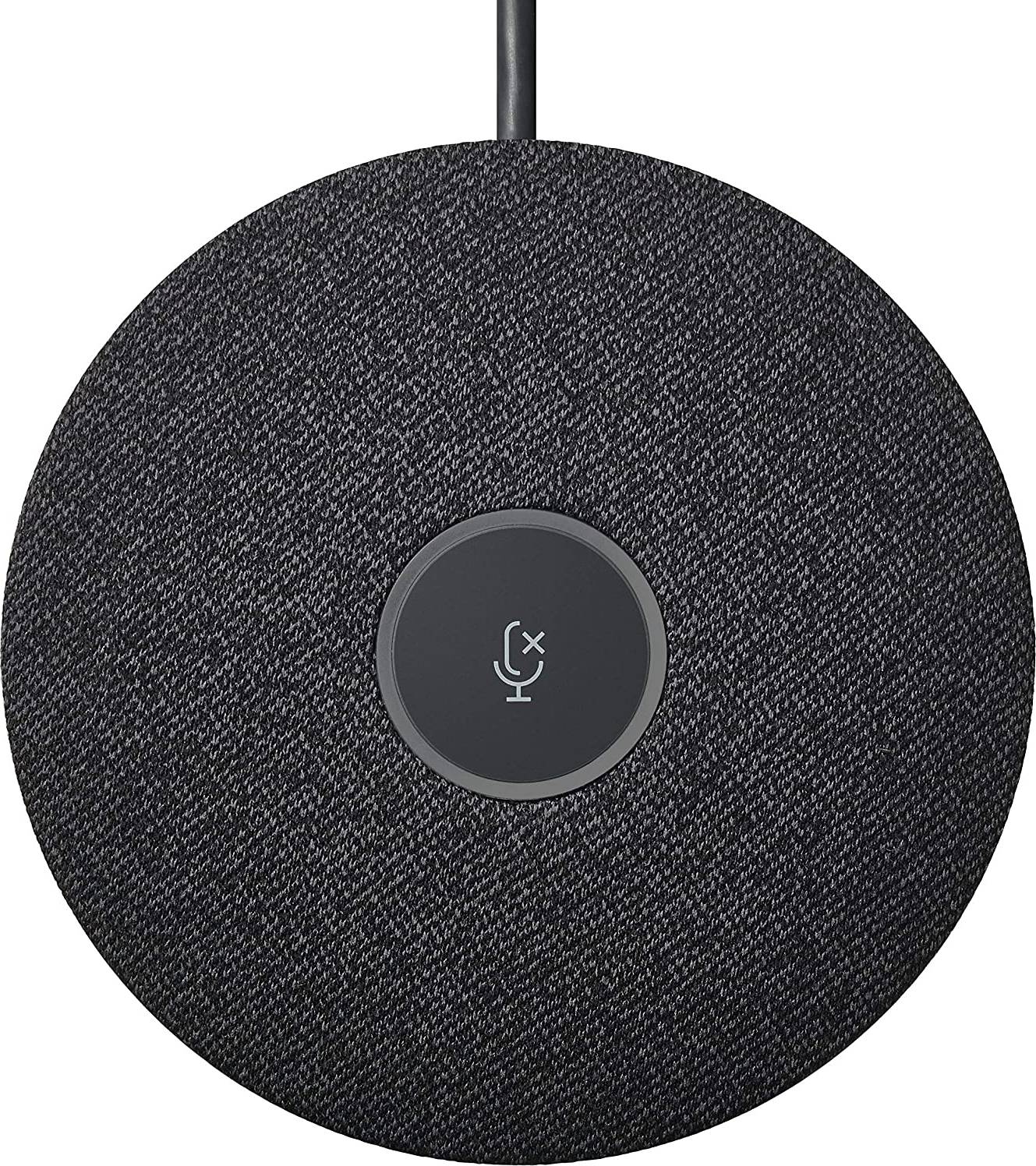


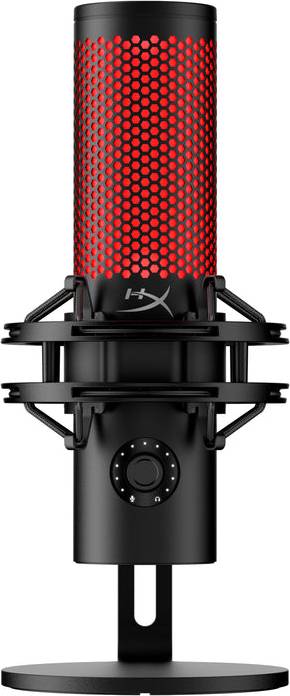


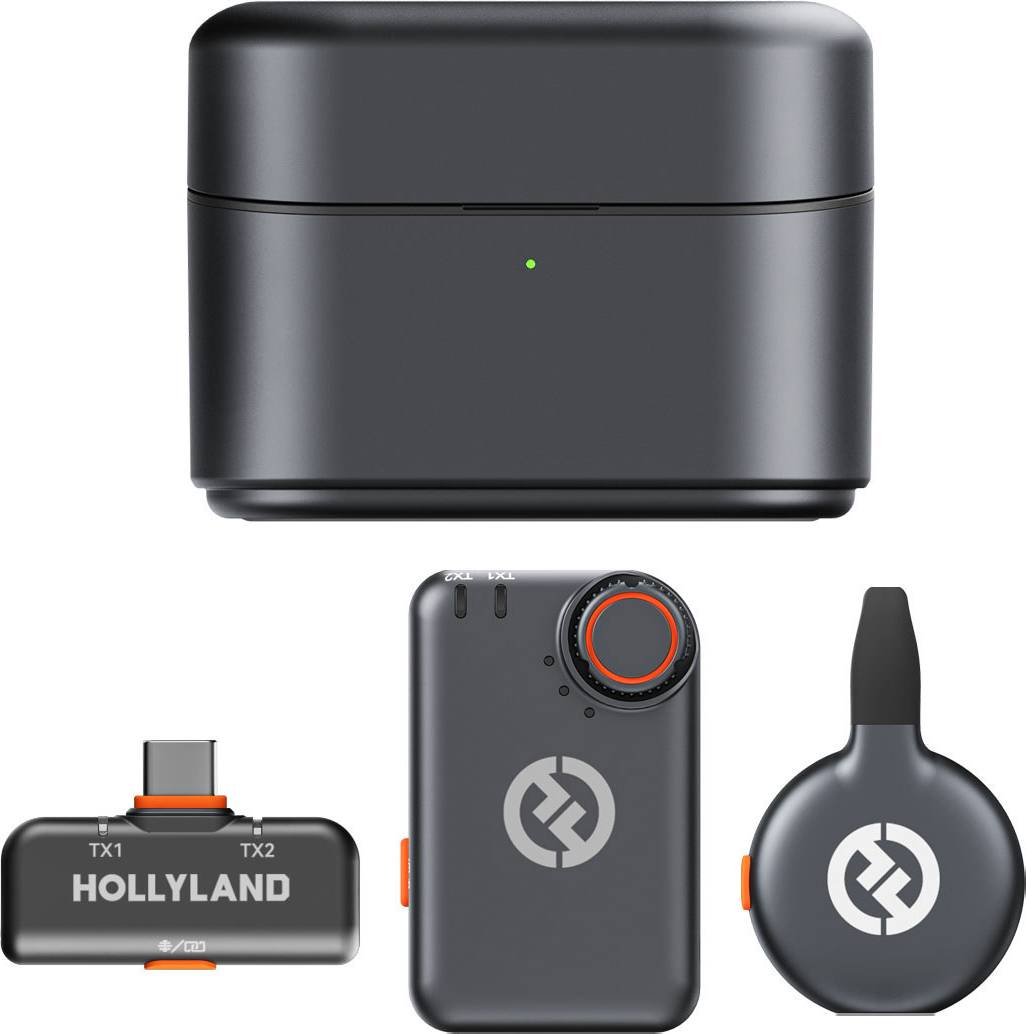







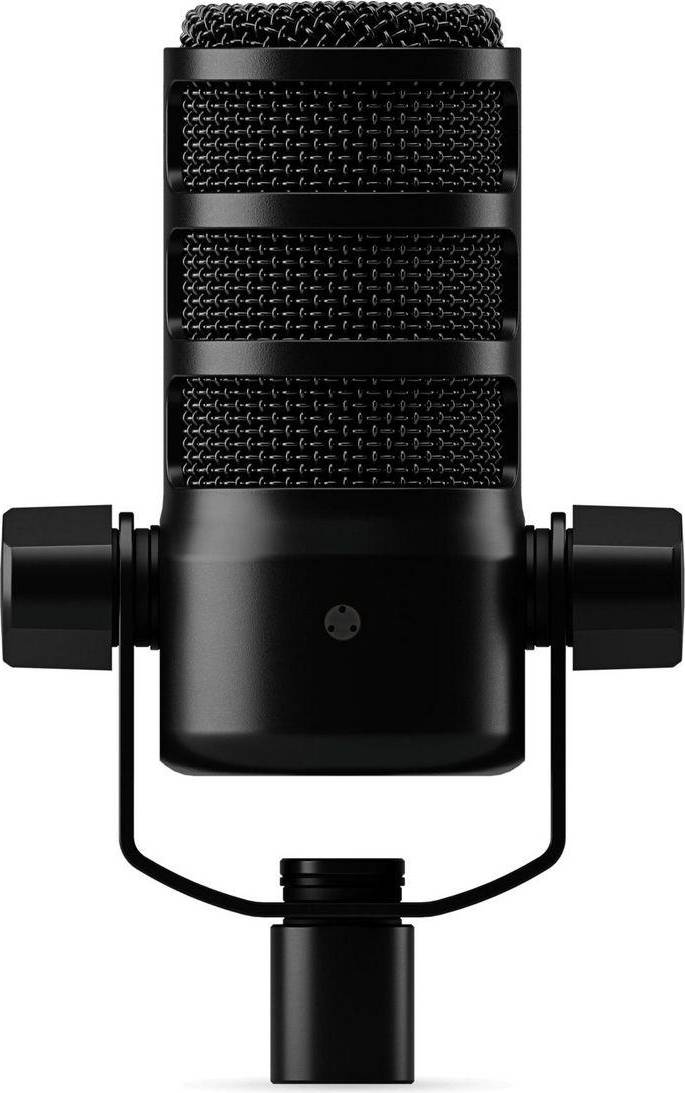


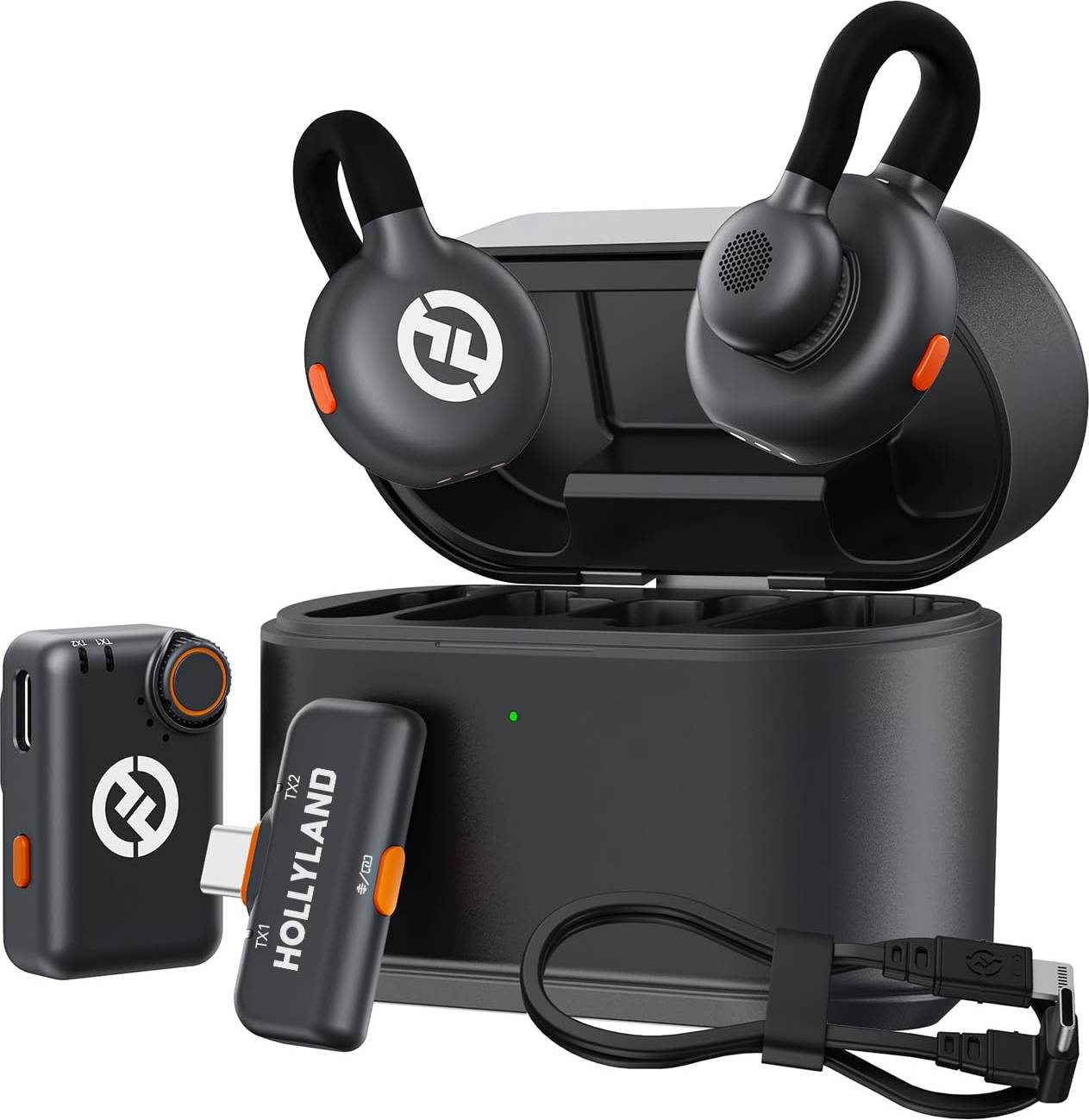


Microphones are devices that capture sound and vary by type. Common types include dynamic, condenser, and ribbon microphones. Dynamic microphones are durable and great for live performances. Condenser microphones offer sensitivity and are ideal for studio use. Ribbon microphones provide a warm sound, perfect for vintage recordings.
Microphones are essential for vocal recording, with condenser microphones often preferred. They capture detailed sound and high frequencies well. Consider your recording environment; a quiet space benefits from a condenser microphone's sensitivity, while noisier areas might suit a dynamic microphone better.
Microphones are available with USB or XLR connections. USB microphones connect directly to computers, making them user-friendly for beginners. XLR microphones require an audio interface but offer superior sound quality and versatility, favored by professionals in studios.
Microphones have polar patterns that determine how they pick up sound. Cardioid patterns capture sound from the front, reducing background noise. Omnidirectional patterns pick up sound equally from all directions, ideal for group recordings. Choose based on your recording needs to minimize unwanted noise.
Microphones need regular maintenance to ensure longevity. Keep them clean by using a soft cloth to wipe them down after use. Store them in a protective case to avoid dust and damage. Regularly check cables and connections to prevent technical issues during recordings.
Microphones: 3 things to consider before buying
Before purchasing microphones, it's crucial to identify your specific needs. Are you looking for a microphone for podcasting, live performances, or studio recording? Each use case may require different features. For instance, a dynamic microphone is typically robust and suitable for live performances, while a condenser microphone offers high sensitivity ideal for studio recordings. By knowing what you need, you can narrow down options and focus on microphones that will serve your purpose effectively.
Microphones come with various pickup patterns that determine how they capture sound. Cardioid microphones are great for isolating sound from the front and minimizing background noise, making them perfect for vocal recordings. Omnidirectional microphones capture sound equally from all directions, which is useful in group settings or when ambiance is important. Understanding these patterns helps you choose microphones tailored to your environment and recording style.
When investing in microphones, pay attention to build quality and additional features that enhance usability. Look for sturdy construction materials like metal casings that ensure durability. Consider features such as adjustable stands, shock mounts, or pop filters that can improve recording quality and ease of use. We recommend reading reviews and comparing specifications to ensure you're getting reliable microphones that meet your expectations in performance and longevity.
Anuncio
Microphones
- Hollyland lark
- Blue yeti microphones
- Dji mic
- Shure sm58
- Rode nt1
- Neumann tlm 103
- Shure qlxd
- Wireless microphones
- Rode wireless go
- Dji mini 2
- Mv7
- Streaming microphone
- Rode wireless go ii
- Akg c414
- Yeti blue mic
- Wireless lavalier microphone
- Rode podmic
- Shure sm7b
- Akg
- Audio technica at2020
- Microphones
- Microphone Accessories
- Microphone Stands
- Microphone Protections
- Shure Microphones
- Fifine Microphones
- DJI Microphones
- Microphones
- Shure Microphones
- Samson Microphones
- Sennheiser Microphones
- RØDE Microphones
- DPA Microphones
- RØDE Microphones
- Microphones on sale
- Hollyland Microphones
- Joby Microphones
- Microphones
- Microphones
- Neumann Microphones
Una compra de $1,000 podría costar $173.53 al mes durante 6 meses con una TPA del 13.99 %. La tasa varía de 0.00 % a 35.99 % de TPA según la solvencia crediticia, la duración del plazo y está sujeta a aprobación crediticia, resultando, por ejemplo, en 3 pagos mensuales iguales de $333.33 con una TPA del 0.00 % hasta $353.52 con una TPA del 35.99 % por cada $1,000 prestados. Se puede requerir un monto mínimo de compra y un pago inicial. La estimación del pago mensual excluye posibles costos de impuestos y envío. Financiamiento mensual a través de Klarna emitida por WebBank.
Consulta los términos de pago. Es posible que se requiera un pago inicial más alto para algunos consumidores. Préstamos para residentes de CA otorgados o gestionados conforme a una licencia de la Ley de Financiamiento de California. NMLS # 1353190.