




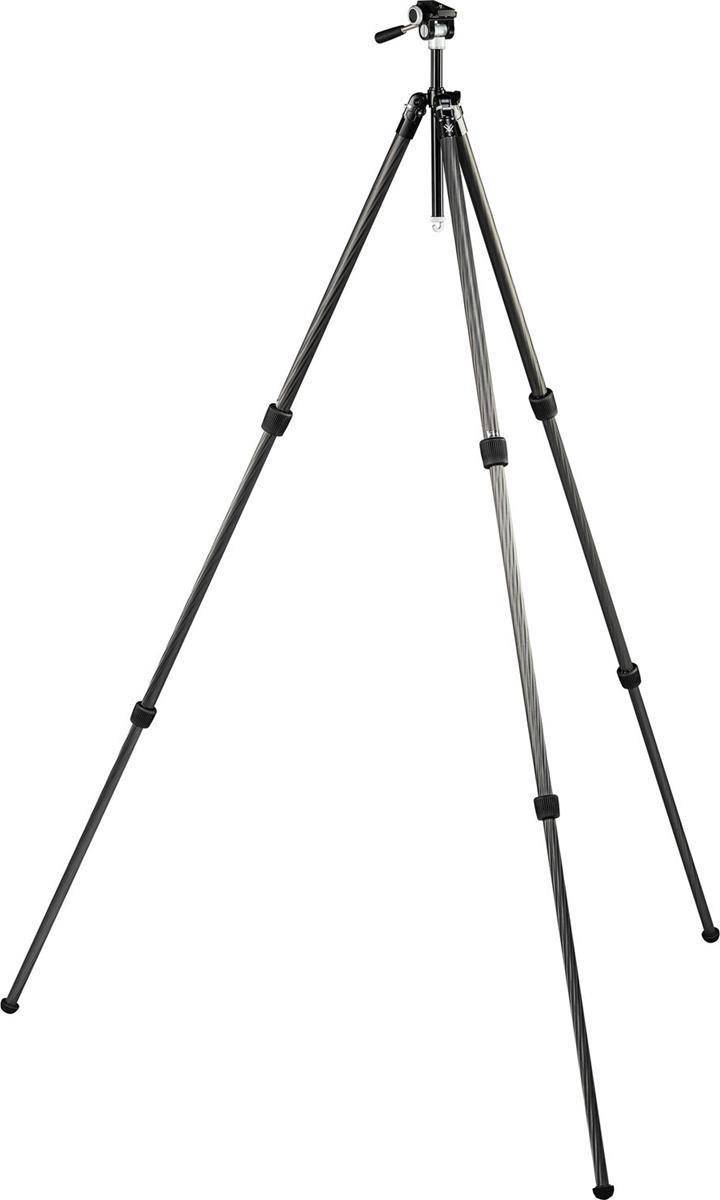



Camera tripods are three-legged stands used to stabilize cameras. They help you take sharp photos and videos by reducing camera shake. Consider the tripod's height, weight capacity, and material when choosing one for your needs.
Camera tripods are chosen based on your camera's weight, desired height, and portability needs. Determine if you need a lightweight option for travel or a sturdy one for studio work. Check compatibility with your camera model.
Camera tripods are made from aluminum, carbon fiber, or plastic. Aluminum tripods are durable and affordable; carbon fiber ones are lightweight but pricier; plastic options suit budget-conscious buyers. Assess durability versus weight when selecting a material.
Camera tripods' heads control movement and stability. Ball heads offer flexibility for quick adjustments, while pan-tilt heads provide precise control for video shooting. Choose based on the type of photography or videography you plan to do.
Camera tripods vary in their load capacity. Check the maximum weight each can hold to ensure it supports your camera and lens setup. Overloading can lead to instability and potential damage, so prioritize safety by matching capacity to your gear.
Camera Tripods: 3 things to consider before buying
When choosing a camera tripod, it's crucial to ensure it can support your camera's weight. Check the load capacity of the tripod to see if it matches or exceeds the weight of your camera and any additional equipment like lenses or flashes. For instance, if your camera setup weighs 10 pounds, opt for a tripod with at least a 15-pound load capacity for stability and safety. This way, you avoid potential damage to your gear and ensure steady shots.
The height of a camera tripod is vital for comfortable use and capturing the right angles. Look for adjustable models that cater to your height preference, both when fully extended and collapsed. A tripod that extends to at least eye level will prevent you from bending awkwardly during long shoots. Conversely, consider how compact it becomes when folded for easy transport. For example, a tripod that reaches 60″ fully extended but folds down to 18″ is ideal for both studio work and travel photography.
The material of a camera tripod affects its durability, weight, and stability. Carbon fiber tripods are lightweight yet strong, making them perfect for travel photographers who need portability without sacrificing strength. On the other hand, aluminum tripods offer excellent stability and are often more budget-friendly but can be heavier. Consider where you'll primarily use the tripod: if you frequently shoot outdoors or on uneven terrain, carbon fiber might be worth the investment for ease of transport and setup.
Anuncio
Camera Tripods
- Gimbal camera stabilizer
- Dji rs 3 mini 3
- Gimbals
- Monopod
- Fujifilm gfx 100 ii
- Phone stabilizer
- Dji rs
- Tripod for phone
- Fujifilm gfx
- Phone tripod
- Camera stabilizer
- Monopod for camera
- Manfrotto befree live
- Gimbal for phone
- 22 inch tv
- Dji rs4
- Gopro tripod mount
- Camera tripod mount
- Phone tripod mount
- Tripod for iphone
- Tripods
- Tripod Mounts & Clamps
- Tripod Heads
- Tripods
- 1/4" -20 UNC Tripod Mounts & Clamps
- Leofoto Camera Tripods
- Vivitar Camera Tripods
- Photo Camera Tripods
- Tripods
- 1/4" -20 UNC Camera Tripods
- Manfrotto Camera Tripods
- Mobile Phone Tripod Mounts & Clamps
- Mobile Phone Tripods
- Photo Tripods
- Ulanzi Tripods
- Video Camera Tripods
- Neewer Camera Tripods
- Manfrotto Tripods
- Sirui Camera Tripods
- Manfrotto Tripod Mounts & Clamps
Una compra de $1,000 podría costar $173.53 al mes durante 6 meses con una TPA del 13.99 %. La tasa varía de 0.00 % a 35.99 % de TPA según la solvencia crediticia, la duración del plazo y está sujeta a aprobación crediticia, resultando, por ejemplo, en 3 pagos mensuales iguales de $333.33 con una TPA del 0.00 % hasta $353.52 con una TPA del 35.99 % por cada $1,000 prestados. Se puede requerir un monto mínimo de compra y un pago inicial. La estimación del pago mensual excluye posibles costos de impuestos y envío. Financiamiento mensual a través de Klarna emitida por WebBank.
Consulta los términos de pago. Es posible que se requiera un pago inicial más alto para algunos consumidores. Préstamos para residentes de CA otorgados o gestionados conforme a una licencia de la Ley de Financiamiento de California. NMLS # 1353190.