Digital Cameras
Prueba pagos flexibles conAprende cómo


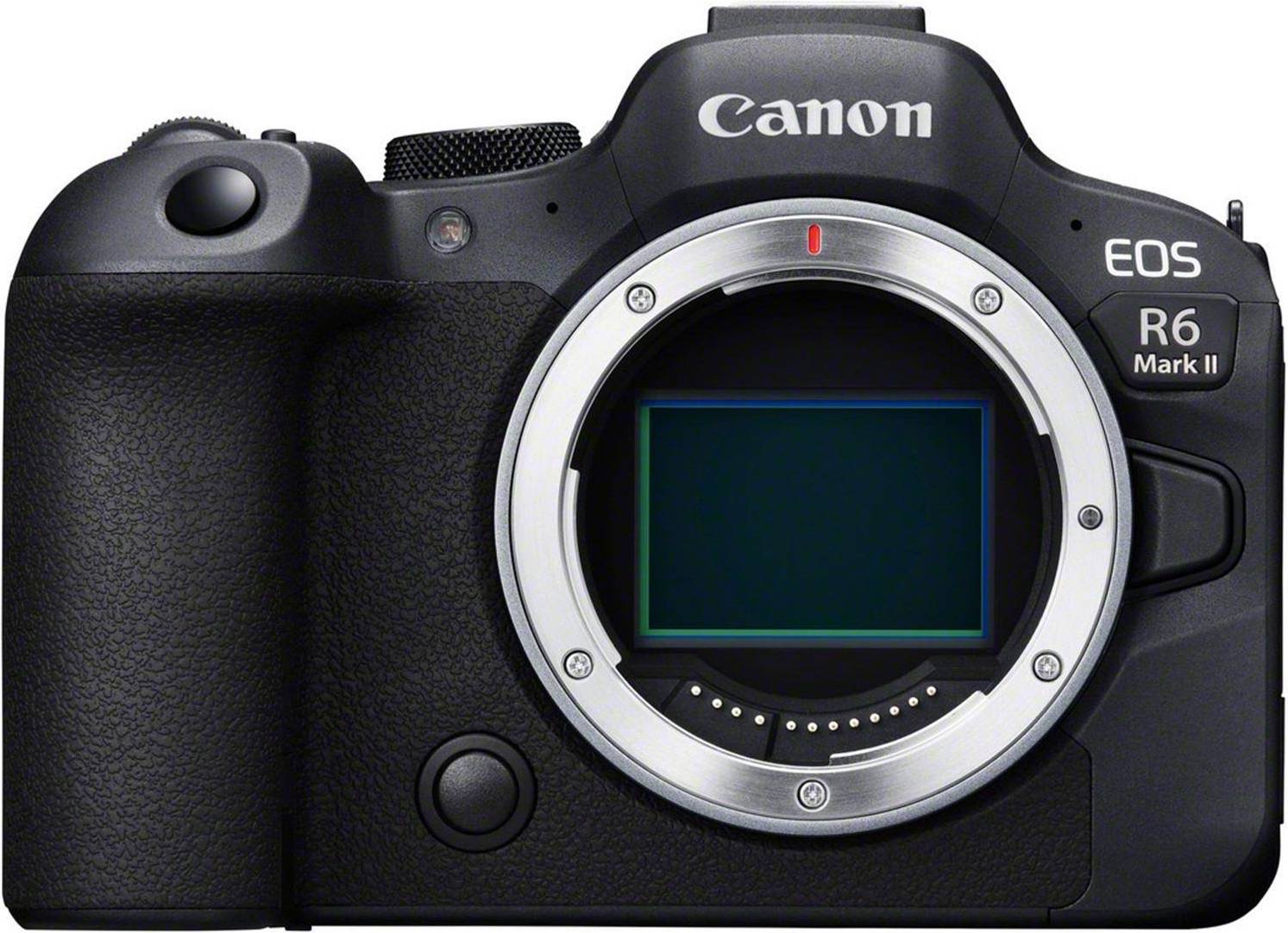


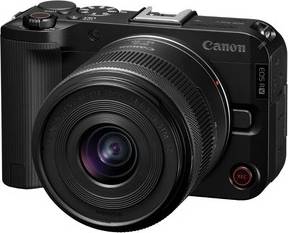


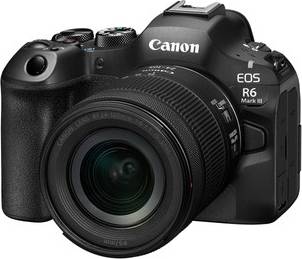


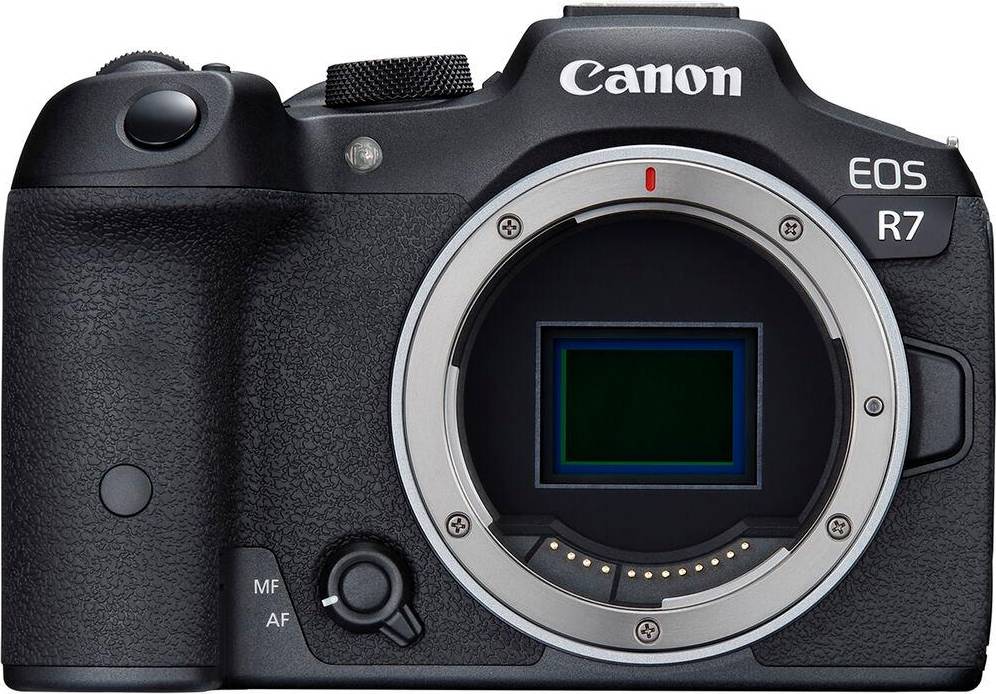


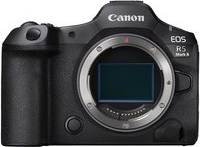


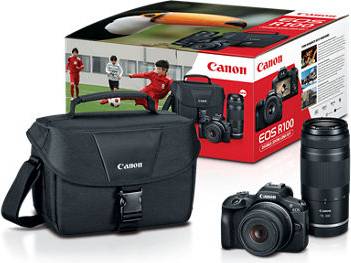

Digital cameras are devices that capture images and videos electronically. They store these files on memory cards for easy transfer to computers or other devices. When choosing a digital camera, consider factors like resolution, lens quality, and features such as zoom capabilities and image stabilization.
Digital cameras work by using a sensor to capture light and convert it into electronic signals. These signals are then processed into digital data, forming an image. Look for sensors with higher megapixels for better image quality and consider the type of sensor: CCD or CMOS.
Digital cameras are available in various types, including compact, DSLR, mirrorless, and bridge cameras. Each type offers different features; for instance, DSLRs provide interchangeable lenses and manual controls, while compact cameras are portable and user-friendly.
Digital cameras should be chosen based on your photography needs. Consider factors like budget, intended use (e.g., travel or professional photography), size, weight, battery life, and additional features like Wi-Fi connectivity or touchscreen interfaces to enhance your experience.
Digital cameras require regular cleaning of lenses and sensors to ensure optimal performance. Use a microfiber cloth for lenses and a blower brush for sensors. Store the camera in a protective case to avoid dust and damage. Regularly update firmware to improve functionality.
Digital Cameras: 3 things to consider before buying
When choosing a digital camera, it's essential to think about what you'll be using it for. Are you capturing family memories, exploring nature photography, or diving into professional shoots? Identify your primary use case to help narrow down options. For instance, if you're keen on wildlife photography, look for cameras with fast autofocus and good zoom capabilities. On the other hand, if you're into travel photography, a lightweight mirrorless camera might be ideal. By aligning your choice with your specific needs, you'll get the most value out of your purchase.
The sensor size in digital cameras plays a crucial role in image quality. Larger sensors typically provide better performance in low-light conditions and offer more depth of field control. Full-frame sensors are excellent for professional use but come at a higher price point. If you're just starting or need something more compact and affordable, APS-C sensors might be sufficient. Understanding how sensor size impacts your photos will help you make an informed decision.
Lenses significantly influence the versatility and creativity of your photography. When selecting a digital camera, consider its compatibility with various lenses. Some cameras come with interchangeable lens systems that give you flexibility for different shooting scenarios. Research the available lens options for each camera brand and model you're considering. This way, you can ensure that as your photography skills grow, your equipment can adapt and expand with you.
Anuncio
Digital Cameras
- Canon g7x
- Canon sx740 hs
- Canon powershot camera
- Canon eos r5
- Fujifilm xt50
- Sony zv e10 ii
- Canon powershot sx740
- Canon g7 x mark iii
- Xm5 fujifilm
- Kodak pixpro
- Fujifilm xt30 iii
- Sony a6100
- Fujifilm xt5
- Fujifilm xt30
- Sony a6400
- Sony alpha a7 iii
- Fujifilm x100vi
- Kodak pixpro fz55
- Canon powershot g7 x mark iii
- Canon r6 mark ii
- Mirrorless Cameras
- Compact Cameras
- DSLR Cameras
- Bridge Cameras
- Digital Cameras on sale
- Digital Cameras
- Sony Digital Cameras
- Canon Digital Cameras
- Dual Memory Card Slots Digital Cameras
- Fujifilm Digital Cameras
- Vivitar Digital Cameras
- Phase Detection (PDAF) Digital Cameras
- Sony Mirrorless Cameras
- Fujifilm Mirrorless Cameras
- Nikon Digital Cameras
- Kodak Digital Cameras
- Canon DSLR Cameras
- Nikon DSLR Cameras
- Nikon Mirrorless Cameras
- Canon Compact Cameras
Una compra de $1,000 podría costar $173.53 al mes durante 6 meses con una TPA del 13.99 %. La tasa varía de 0.00 % a 35.99 % de TPA según la solvencia crediticia, la duración del plazo y está sujeta a aprobación crediticia, resultando, por ejemplo, en 3 pagos mensuales iguales de $333.33 con una TPA del 0.00 % hasta $353.52 con una TPA del 35.99 % por cada $1,000 prestados. Se puede requerir un monto mínimo de compra y un pago inicial. La estimación del pago mensual excluye posibles costos de impuestos y envío. Financiamiento mensual a través de Klarna emitida por WebBank.