Projectors
Prueba pagos flexibles conAprende cómo


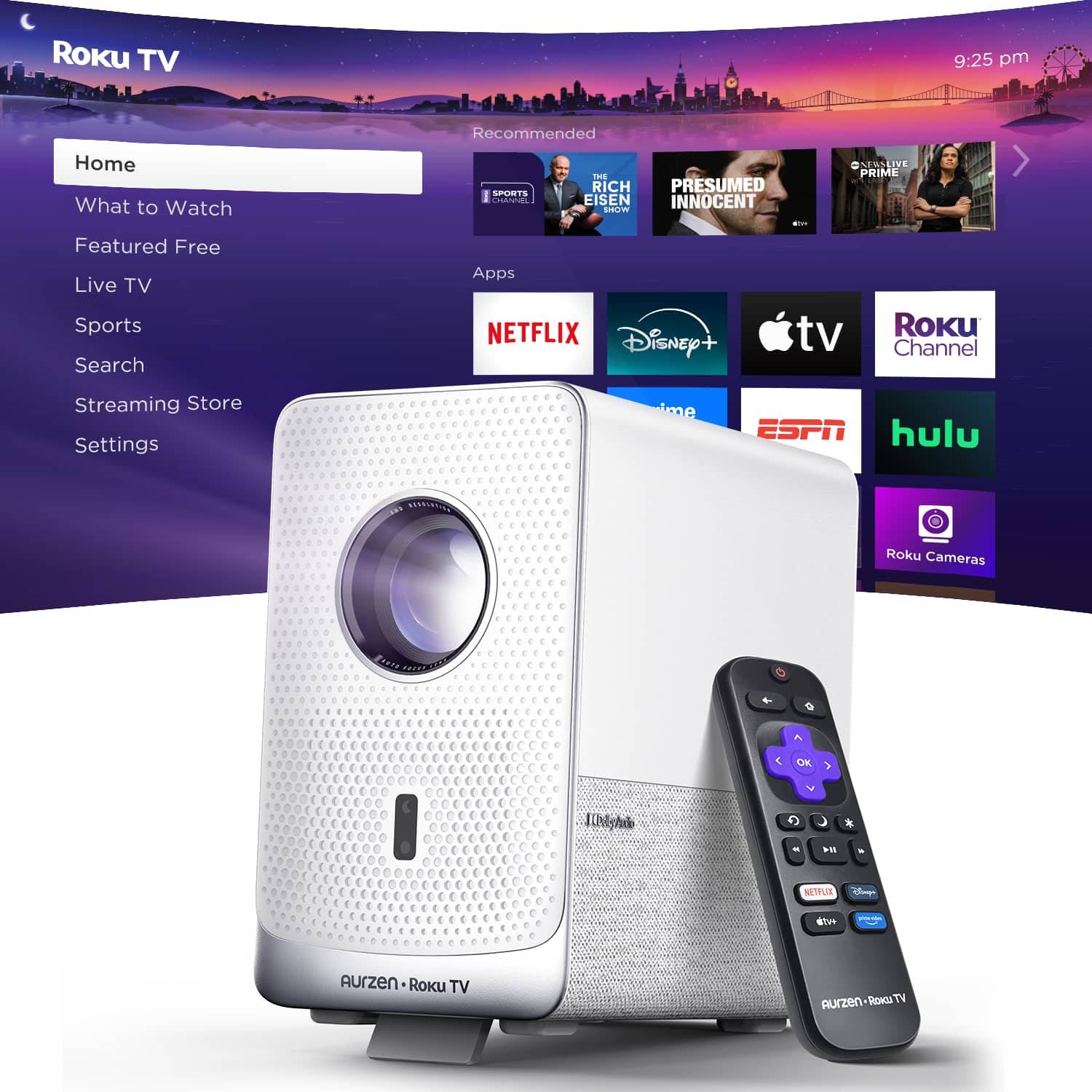


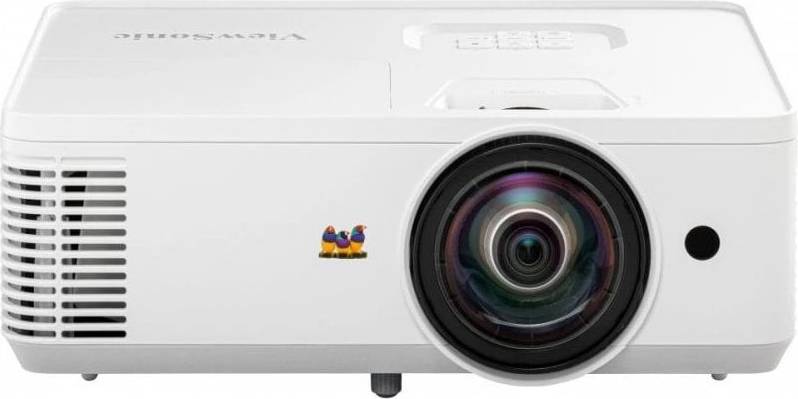


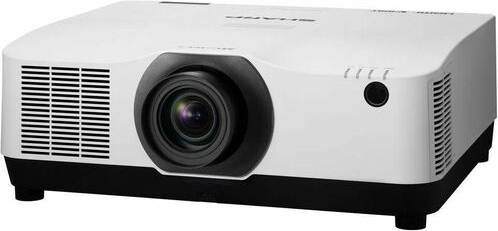
Projectors: 3 things to consider before buying
Before diving into the world of projectors, it's crucial to identify what you need from one. Consider the environment where you'll use it: Is it a small room or a large auditorium? For home theaters, a projector with at least 1080p resolution and a high contrast ratio ensures clear and vibrant images. If portability is key, look for compact models with built-in speakers. Think about your content too—movies, games, or presentations may have different requirements in terms of brightness and connectivity.
Brightness is measured in lumens and plays a significant role in image clarity, especially in well-lit rooms. For home use, a projector with 1500 to 3000 lumens is usually sufficient. For business or classroom settings, you might need more than 3000 lumens. Resolution also matters; while 1080p is standard for most uses, consider 4K projectors if you're after the ultimate viewing experience. Higher resolution means sharper images, but it often comes at a higher price point.
Modern projectors come with various connectivity options that can enhance your user experience. HDMI ports are essential for connecting laptops, Blu-ray players, and gaming consoles. If you plan to stream content directly from devices, look for projectors with wireless capabilities like Bluetooth or Wi-Fi. Some models offer smart features that allow streaming apps directly on the projector itself, which can be highly convenient if you're cutting down on cables.
Projectors are devices that project images or videos onto a surface, usually a screen or wall. They are used in home theaters, classrooms, and offices. When choosing a projector, consider factors like resolution, brightness (measured in lumens), and connectivity options to match your specific needs.
Projectors for home use are designed to provide a cinematic experience at home. Look for models with high resolution (1080p or 4K), sufficient brightness (at least 1500 lumens), and good contrast ratios. Consider room size and ambient light conditions to ensure optimal viewing quality.
Projectors using LCD technology rely on liquid crystal displays to produce images, while DLP projectors use digital light processing with mirrors. LCD projectors generally offer better color accuracy, whereas DLP projectors are known for smoother motion handling and higher contrast ratios. Choose based on your preference for color versus motion quality.
Lumen ratings in projectors measure brightness. Higher lumens mean brighter images, crucial for rooms with ambient light or larger screens. For dark rooms, 1000-1500 lumens may suffice; for well-lit spaces or large projections, aim for 3000+ lumens to ensure clear visibility.
Projectors can connect to smartphones via HDMI adapters, wireless connections like Bluetooth or Wi-Fi, or through USB-C ports. Check compatibility with your phone's model and operating system. Some projectors offer built-in apps for streaming directly from your device.
Anuncio
Projectors
- 4k home theater projector
- Lg cinebeam
- Ultra short throw projector
- Benq 4k
- Tv projector
- Laser 4k projector
- Nebula capsule
- Mini portable projector
- Mini projectors
- Portable projector
- Projector xgimi
- Wifi projector
- Sony 4k projector
- Projector 4k
- Projectors & screen
- Jvc dla
- Smart tv projector 4k
- Smart home theater projector
- Short throw projector
- Short throw laser projector
- Elephas Projectors
- Epson Projectors
- Vankyo Projectors
- XGIMI Projectors
- Nebula Projectors
- LCD Projectors
- Optoma Projectors
- Mini Projectors
- AirPlay Projectors
- Benq Projectors
- Epson Laser Projectors
- Samsung Projectors
- Lens Shift Projectors
- Viewsonic Projectors
- Projectors
- Awol Vision Projectors
- Hisense Projectors
- Ultra Short-Throw Projectors
- USB Projectors
- Kodak Projectors
Una compra de $1,000 podría costar $173.53 al mes durante 6 meses con una TPA del 13.99 %. La tasa varía de 0.00 % a 35.99 % de TPA según la solvencia crediticia, la duración del plazo y está sujeta a aprobación crediticia, resultando, por ejemplo, en 3 pagos mensuales iguales de $333.33 con una TPA del 0.00 % hasta $353.52 con una TPA del 35.99 % por cada $1,000 prestados. Se puede requerir un monto mínimo de compra y un pago inicial. La estimación del pago mensual excluye posibles costos de impuestos y envío. Financiamiento mensual a través de Klarna emitida por WebBank.